





Notching
BSRIA Power quality guide (AG 2/2000) was written by C C Pearson and V Uthayanan and published by BSRIA in July 2000. It states:
Waveform distortion is defined as a steady state deviation from an ideal sine wave of power frequency, principally characterised by the spectral content of the deviation.
There are five primary types of waveform distortion:
- dc offset
- harmonics
- interharmonics
- notching
- noise
Notching is a periodic voltage disturbance caused by the normal operation of power electronics devices when current is commutated from one phase to another.
Since notching occurs continuously, it can be characterised through the harmonic spectrum of the affected voltage. However, it is generally treated as a special case. The frequency components associated with notching can be quite high and may not be readily characterised with measurement equipment normally used for harmonic analysis.
Figure 1 shows an example of voltage notching from a three-phase converter that produces continuous dc current. The notches occur when the current commutates from one phase to another. During this period, there is a momentary short circuit between two phases, pulling the voltage as close to zero as permitted by system impedances.

See also: Notch.
--BSRIA
[edit] Related articles on Designing Buildings
Featured articles
Check out some of the best features and news from Designing Buildings as well as key stories from around the web.

Government approach could undermine delivery and regeneration.
World's first mass timber data centre.

The overlooked environmental aspect of data centre development.
Introduction to radon awareness

New technical information sheet published by CIOB.

Updated supplier guide can help electrical contractors engage with NHP.

CIAT confirm the winners of the 2026 architectural technology awards.
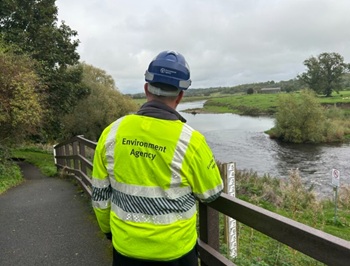
Government launches a one stop shop for flood preparedness.

Sir Edwin Lutyens: Britain's greatest architect? Book review.
CIOB publishes free template to help assess and manage risks.
ECA's reflections on Party Conference season
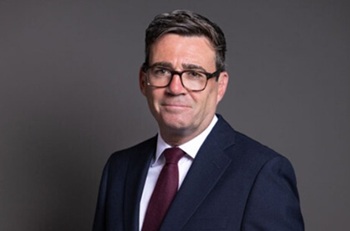
Burnham wants to be confident of winning before asking for a fresh mandate.
New Chief Construction and Scientific Adviser

Sergio Cavalaro, Professor of Infrastructure Systems at Loughborough University.
Building safety levy for England

CIAT publish estimator tool for members.
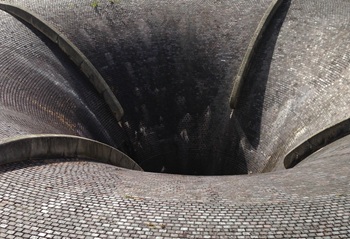
Water sector faces a growing crisis that could slow the delivery of vital infrastructure.