






Engineers and politics

Speaking at an Inspiring Engineers event in April 2017, former Deputy Mayor of transport in London, Isabel Dedring said that engineers need to stop treating politics as a problem and must start getting involved.
She claimed that for engineers used to logical and evidence based working methods, politics can be seen as irrational or frustrating. Often, this means engineers shy away from political engagement.
Instead, engineers should be taking a bigger role, using their expertise and logical thinking to add something new to policy making.
Isabel's ten tips for civil engineers are:
- Start with outcomes: Focus on the benefits of the project, such as jobs, housing or skills as these are the things that people and politicians want.
- Make infrastructure affordable: Be aware that funding may be limited so reducing costs may be the difference between a project that gets the go-ahead and one that doesn't.
- Small is beautiful: Small infrastructure projects can be more effective than 'grand projects'. Small interventions can also help trial ideas and build support amongst the public.
- Complexity is a fact of life: Politics is a complicated process, with several layers of government and several layers of policy making within those layers. Get to grips with it and don't be put off.
- It's not true that 'politicians just want to cut ribbons': With infrastructure projects, it is very often the case that a successor politician will benefit more than the politician that signed it off. For example, the planning process for Crossrail began under Mayor Ken Livingstone and there have been two mayors since then.
- Surf the wave: Political decisions can be unpredictable and infrastructure ideas might be popular one week, but not the next. Learn to make the most of a good public mood, but also to keep ideas alive when they might be out of favour.
- We need dealmakers and integrators: Infrastructure investment is costly and will continue to require private investment. More people with the skills to connect governments and politicians to private organisations will help increase infrastructure delivery.
- Political 'enemies' can be your best friend: Working with campaigners can help to get things moving. Public pressure gives politicians the impetus to act and change.
- A new approach to working with the public is needed: Public support can make or break a project so engineers need to be better at communicating. Giving information in a jargon-free, uncomplicated way and genuinely taking public concerns into consideration are vital to a project's success.
- Take delight in what you do: Infrastructure is incredible and we should treat it that way. Showing the public why a project is so fascinating will gain their support. For example, millions of Londoners were engaged in Crossrail when they voted to name the tunnel boring machines.
This article was originally published here on 5 May 2017 by ICE. It was written by Max Sugarman.
--The Institution of Civil Engineers
[edit] Related articles on Designing Buildings Wiki
Featured articles
Check out some of the best features and news from Designing Buildings as well as key stories from around the web.

Your views needed - a strategy for the professions, trades and occupations.

Confronting competency, codes, capacity and costs.

The hidden risk in modern construction supply chains.
Construction Management, 10 June

24 months to 14: CITB launches accelerated apprenticeships.
Bridging the gap between clients and contractors
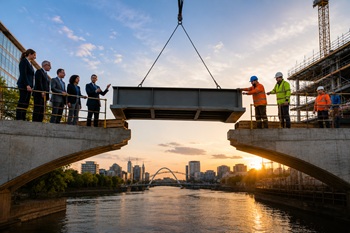
Concerns remain around contractor quality, capability, and delivery.
Construction Management, 10 June.

Heat pumps beat boilers in new home tests.
Building Safety Act implementation in Wales
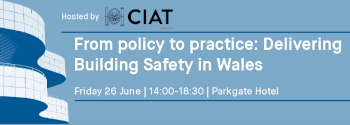
CIAT to host industry panel on 26 June.
New and updated CLC building safety guidance.

New UK National Buildings Database.
Building Safety Wiki Interviews

Chief executive of the British Woodworking Federation.
Planning condition discharge in England and Wales

A brief explanation from a building compliance expert, with further links.