




Coliform
The SuDS Manual published by CIRIA in 2015 defines coliform as: ‘Bacteria found in the intestines, faeces, nutrient rich waters, soil and decaying plant matter.’
Coliform bacteria do not generally cause disease, but they are an indicator of the sanitary quality of food and water. Rare strains such as Escherichia coli (E. coli) can cause serious illness
[edit] Related articles on Designing Buildings Wiki
- Blackwater.
- CIRIA.
- Do our water quality standards demonstrate to the public that their water supply is clean?
- Environmental performance of the water and sewerage companies.
- Foul water.
- Sanitary pipework.
- Sewerage.
- SuDS manual.
- Sustainable urban drainage systems.
- Types of water.
- Water quality.
- Wholesome water.
Featured articles
Check out some of the best features and news from Designing Buildings as well as key stories from around the web.

CIOB reports 57% are using artificial intelligence technologies.
More of England’s ‘hidden heroes’ will be celebrated.

CIAT calls for retrofit to be a priority.
Version 6 is now available, along with guidance for ECA members.

Post-War Homes: mid-century British architecture. Book review.

CIAT reflects on the party conferences.
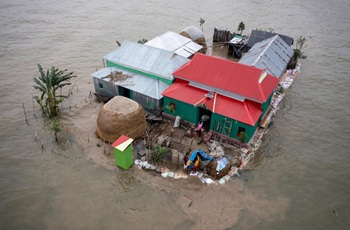
CIOB announce the winners of the Art of Building photography competition.

National Scheme of Delegation introduced.
The cost of employing people remains a concern.
Code of Practice for Electrical Energy Storage Systems.

ECA calls on members to comment on draft 4th edition.

Bringing together expertise and creating cultural benefits.

CIOB celebrates positive Ofsted report.