




Coral reef
Climate Change 2021 – The Physical Science Basis, Annex VII: Glossary, written by the Intergovernmental Panel on Climate Change (IPCC) and published by Cambridge University Press in 2023, defines coral reef as: ‘An underwater ecosystem characterised by structure-building stony corals. Warm-water coral reefs occur in shallow seas, mostly in the tropics, with the corals (animals) containing algae (plants) that depend on light and relatively stable temperature conditions. Cold-water coral reefs occur throughout the world, mostly at water depths of 50–500 m. In both kinds of reef, living corals frequently grow on older, dead material, predominantly made of calcium carbonate (CaCO3). Both warm- and cold-water coral reefs support high biodiversity of fish and other groups and are considered to be especially vulnerable to climate change.’
It defines coral bleaching as: ‘Loss of coral pigmentation through the loss of intracellular symbiotic algae (known as zooxanthellae) and/or loss of their pigments.’
[edit] Related articles on Designing Buildings
Featured articles
Check out some of the best features and news from Designing Buildings as well as key stories from around the web.
ECA responds to the Milburn Report

Youth employment to be linked to workforce demand.
The construction industry urgently needs to attract new talent

CIOB responds to Neets report.
Grenfell Tower community update
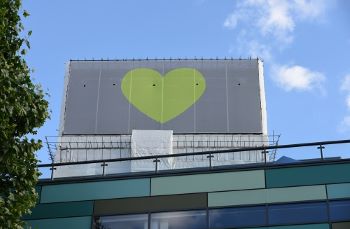
Memorial columns to be retained as careful dismantling continues.
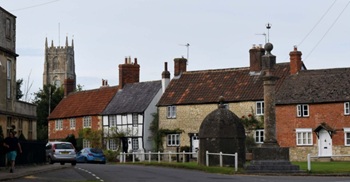
When buildings reflected the local resources available.

CIOB reports 57% are using artificial intelligence technologies.
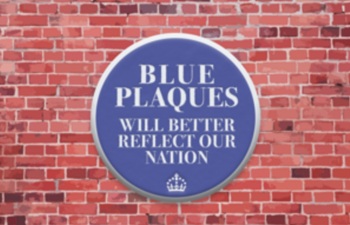
More of England’s ‘hidden heroes’ will be celebrated.
CIAT calls for retrofit to be a priority.

Version 6 is now available, along with guidance for ECA members.

Post-War Homes: mid-century British architecture. Book review.

CIAT reflects on the party conferences.

CIOB announce the winners of the Art of Building photography competition.
National Scheme of Delegation introduced.