





Construction dissertation guide part 1 - Choosing a subject and preparing a proposal
This is part of a series of Construction Dissertation Guides for students. Click here for the whole series.

Contents |
[edit] Subject
The first, and perhaps most difficult step is deciding the subject. The subject will usually be inspired by an aspect of your studies that you feel particularly interested in, although it will need to be informed by a lot of research, as well as discussing options with lecturers and looking at past dissertation subjects.
The subject will need to be based around a problem of some kind that your research will be able to explore in depth. It could be part of a course module that you have found particularly interesting, or, if you have worked in the industry, there could be something you experienced during this time that you could use to build ideas.Read the industry press and news sites to keep informed about what is energising debate.
Once you have a basic idea, set about narrowing it down to a specific aspect of the problem that is likely to be manageable. Read around the subject and think about which part is the most interesting or suitable. Make sure you select a subject that will allow you to gain access existing literature and to sources of data to inform your research.
[edit] Dissertation proposal
The dissertation proposal is a short document produced once the subject has been selected (although the precise focus or scope of the research will still be refined after this point). It may contain the following sections:
[edit] Working title
A concise subject summary and focus for the research. The purpose of the title is to identify in plain language what is being studied.
[edit] Purpose/rationale
An overview of the problem to be researched and the main issues to be addressed. This is similar to what will later become the abstract.
[edit] Aim
Usually one sentence that condenses the overall purpose of the research and what it hopes to achieve.
[edit] Objectives
These are sub-aims that can be listed as an extension of the overarching aim statement. These clarify the aspects of the study that will be addressed.
[edit] Hypothesis
This is a theory that your dissertation should set out to test or validate. The conclusion will aim to determine whether the hypothesis has been proven or not. If the subject of your dissertation cannot be expressed as a hypothesis then formulate some key questions which provide the research with direction.
[edit] Outline methodology
This briefly describes the means by which you will carry out your research for example, literature review, surveys, site visits, interviews, and so on.
[edit] Initial references
This lists the details of the main reference sources that will be used. At this stage it is sufficient to include those which have informed the research and led to the proposal.
[edit] Work plan
A simple chart or timetable that highlights key points of progress over the following weeks.
Continue to the next stage: Literature review.
Featured articles and news
Costs and insolvencies mount for SMEs, despite growth

Construction sector under insolvency and wage bill pressure in part linked to National Insurance, says report.
The place for vitrified clay pipes in modern infrastructure
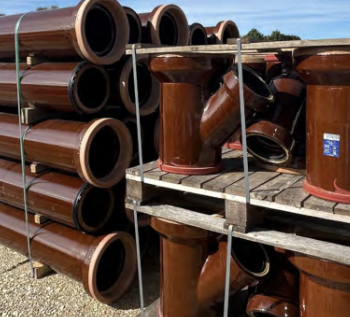
Why vitrified clay pipes are reclaiming their role in built projects.
Research by construction PR consultancy LMC published.
Roles and responsibilities of domestic clients

ACA Safety in Construction guide for domestic clients.
Fire door compliance in UK commercial buildings

Architect and manufacturer gives their low down.
Plumbing and heating for sustainability in new properties

Technical Engineer runs through changes in regulations, innovations in materials, and product systems.
Awareness of the Carbon Border Adjustment Mechanism
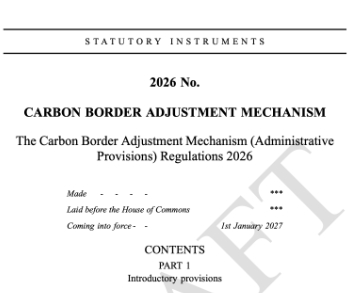
What CBAM is and what to do about it.
The new towns and strategic environmental assessments
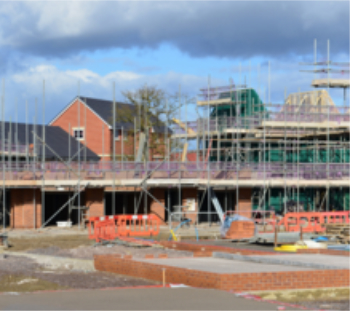
12 locations of the New Towns Taskforce reduced to 7 within the new towns draft programme and open consultation.
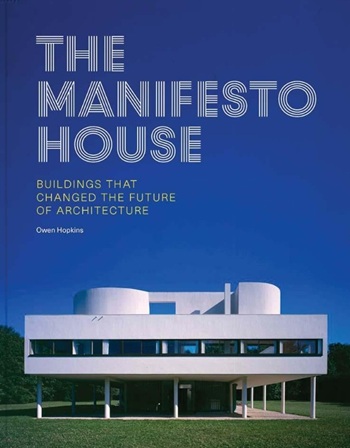
Buildings that changed the future of architecture. Book review.
The Sustainability Pathfinder© Handbook
Built environment agency launches free Pathfinder© tool to help businesses progress sustainability strategies.
Government outcome to the late payment consultation, ECA reacts.
IHBC 2025 Gus Astley Student Award winners

Work on the role of hewing in UK historic conservation a win for Jack Parker of Oxford Brookes University.
Future Homes Building Standards and plug-in solar
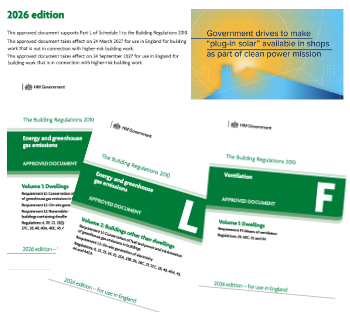
Parts F and L amendments, the availability of solar panels and industry responses.
How later living housing can help solve the housing crisis
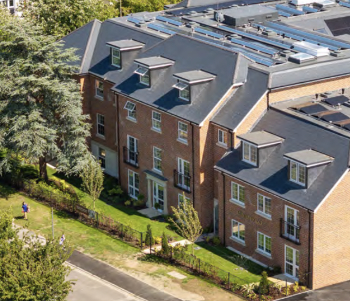
Unlocking homes, unlocking lives.
Preparing safety case reports for HRBs under the BSA
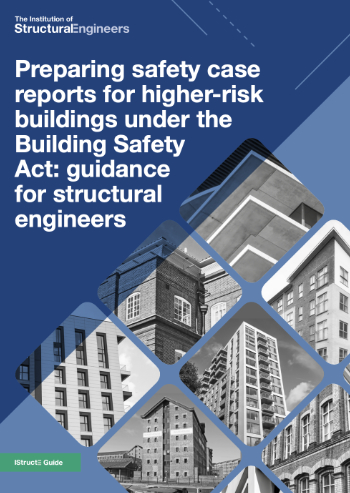
A new practical guide to preparing structural inputs for safety cases and safety case reports published by IStructE.
Male construction workers and prostate cancer

CIOB and Prostate Cancer UK encourage awareness of prostate cancer risks, and what to do about it.