






Chartered engineer
What is a Chartered Engineer (CEng)?
Chartered Engineers (CEng) develop solutions to engineering problems using new or existing technologies, through innovation, creativity, and change, and/or they may have technical accountability for complex systems with significant levels of risk.
How to become a Chartered Engineer (CEng)?
First, individuals typically complete an accredited Master’s Degree in Engineering (although other academic qualifications e.g. BEng with Further Learning (FL) may also be suitable). Individuals should check the suitability of their academic qualifications at the earliest opportunity to identify any further learning requirements.
Then, individuals join a suitable Engineering Institution at a relevant grade e.g., student, or graduate.
Next, based on an individual’s academic qualifications, they follow their appropriate Professional Registration route, which will be either:
Then, individuals in their Professional Registration application must demonstrate to the required standard their:
- Academic Background
- Relevant experience
- Commitment to Professional Development
- Commitment to Ethical Practice
- Commitment to the Engineering Profession
Lastly, upon successfully demonstrating their ability to meet the required standard, individuals are admitted to the Professional Register and awarded the use of relevant post-nominal titles.
--MENTORiVE - Professional Mentoring
Related articles on Designing Buildings
- Building services engineer.
- Chartered Association of Building Engineers.
- CIBSE.
- Civil engineer.
- Consulting engineer.
- Electrical engineer.
- Engineering Council.
- Fire engineer.
- Geoengineering.
- Geotechnical engineering.
- How to become an engineer.
- Lead engineer.
- Institution of Civil Engineers.
- Institute of Engineering and Technology.
- Institution of Mechanical Engineers.
- Institution of Structural Engineers.
- Mechanical engineer.
- Project engineer.
- Resident engineer.
- Section engineer.
- Site engineer.
- Structural engineer.
- Water engineer.
Featured articles
Check out some of the best features and news from Designing Buildings as well as key stories from around the web.
Building Safety Act implementation in Wales

CIAT to host industry panel on 26 June.
New and updated CLC building safety guidance.
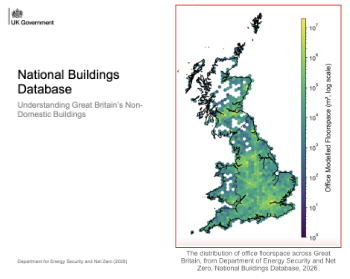
New UK National Buildings Database.
Building Safety Wiki Interviews

Chief executive of the British Woodworking Federation.
Planning condition discharge in England and Wales

A brief explanation from a building compliance expert, with further links.
Overheating guidance and tools for building designers

Guidance for dealing with element of building fabric control that have increasing importance.
Shading for housing, a design guide

From the Good Homes Alliance and British Blind and Shutter Association.
UK Standard Skills Classification (SSC)

A shared framework for describing skills needs.
Social media ban consultation comes to close

CIOB urges UK Government to consider social media’s role in careers guidance in ban debate.
The latest of eight Skills England apprenticeship units

The addition of battery manufacturing welcomed by ECA with a warning about the risks of fast-tracked apprenticeship units.
Building Control Independent Panel final report
A precis of a key report led by Dame Hackitt with full recommendations and link to the government response.