




Lawful development certificate
If there is doubt about whether an existing use of a site or building is permitted under planning law, or if a proposed development requires planning permission, an application can be made for a Lawful Development Certificate (LDC), or Certificate of Lawfulness.
This may be useful, for example, when negotiating the sale of a property, when it may be necessary to demonstrate that a development has all the necessary permissions, or when determining whether proposals are ‘permitted developments’ for which a planning application is not required.
An application for a Lawful Development Certificate can be made to the local planning authority. The application should include enough information to enable the local planning authority to determine whether the development is in fact lawful or not. It can be wise to consult with the local planning authority before making an application to discuss whether the application is likely to be successful and what information is required.
An application fee is payable to the local planning authority.
If the application is refused, the applicant can appeal to the planning inspectorate.
[edit] Related articles on Designing Buildings Wiki
- Certificate of Lawfulness of Proposed Works.
- Certificates in the construction industry.
- Development Management Procedure Order.
- Established use certificate.
- Permitted development.
- Planning authority.
- Planning inspectorate.
- Planning permission.
- Site selection and acquisition.
- Sui generis and planning permission.
- Technical due diligence for development sites.
Featured articles
Check out some of the best features and news from Designing Buildings as well as key stories from around the web.
Gov.uk - Hot-rolled steel plate

New anti-dumping measure imposed on South Korea.
ECA responds to the Milburn Report

Youth employment to be linked to workforce demand.
The construction industry urgently needs to attract new talent
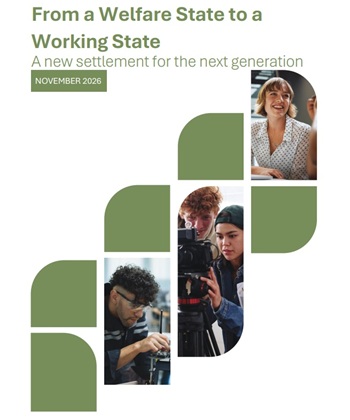
CIOB responds to Neets report.
Grenfell Tower community update

Memorial columns to be retained as careful dismantling continues.
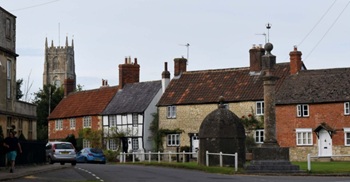
When buildings reflected the local resources available.

CIOB reports 57% are using artificial intelligence technologies.

More of England’s ‘hidden heroes’ will be celebrated.

CIAT calls for retrofit to be a priority.
Version 6 is now available, along with guidance for ECA members.
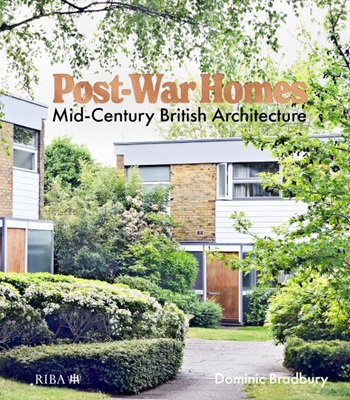
Post-War Homes: mid-century British architecture. Book review.

CIAT reflects on the party conferences.

CIOB announce the winners of the Art of Building photography competition.