





Carbon nanotubes
Carbon nanotubes (CNTs) are allotropes of carbon having a cylindrical nanostructure.
Carbon Nanotubes are a tube-shaped material made up of carbon molecules, having a diameter of approximately a nanometer (one-billionth of a meter or one ten-thousandth of the thickness of a human hair). Carbon nanotubes has many different structures, depending on length, thickness and type of helicity (projection of the spin on direction of momentum), and number of layers.
All carbon nanotubes are made up of similar graphite sheet. However, the electrical characteristics of carbon nanotubes (acting as metals or semiconductor) depends on the structure they exhibit. Carbon nanotubes exhibit excellent mechanical strength, comparable to graphite. They can replace other materials in wide range of application such as; consumer goods, electrical and electronics, energy, healthcare, automobile, aerospace, and defense sectors. Other applications include;, conductive plastics, flat-panel displays, gas storage, batteries with improved lifetime, technical textiles, antifouling paint and micro- and nano-electronics.
Carbon nanotube materials can be categorised on the bases of structure and number of layers; single-wall nanotubes (SWNT) (having diameter close to 1nm), multi-wall nanotubes (MWNT) (diameter ranging between 5 nm to 50 nm) and double-wall nanotubes (DWNT) (sub-segment of multi-wall nanotubes). Multi-wall nanotube has the major market share in the global carbon nanotube market, followed by single-wall nanotubes.
[edit] Find out more
[edit] Related articles on Designing Buildings Wiki
Featured articles and news
A carbon case for indigenous slate
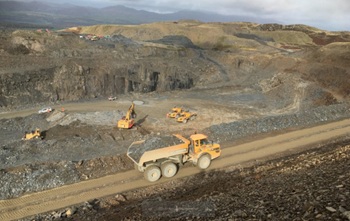
UK slate can offer clear embodied carbon advantages.
Costs and insolvencies mount for SMEs, despite growth

Construction sector under insolvency and wage bill pressure in part linked to National Insurance, says report.
The place for vitrified clay pipes in modern infrastructure
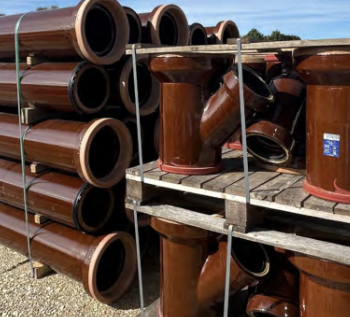
Why vitrified clay pipes are reclaiming their role in built projects.

Research by construction PR consultancy LMC published.
Roles and responsibilities of domestic clients

ACA Safety in Construction guide for domestic clients.
Fire door compliance in UK commercial buildings

Architect and manufacturer gives their low down.
Plumbing and heating for sustainability in new properties
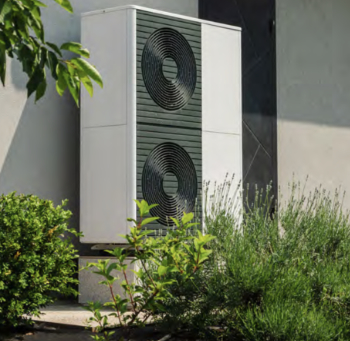
Technical Engineer runs through changes in regulations, innovations in materials, and product systems.
Awareness of the Carbon Border Adjustment Mechanism
What CBAM is and what to do about it.
The new towns and strategic environmental assessments

12 locations of the New Towns Taskforce reduced to 7 within the new towns draft programme and open consultation.

Buildings that changed the future of architecture. Book review.
The Sustainability Pathfinder© Handbook
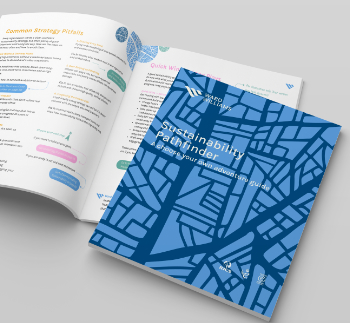
Built environment agency launches free Pathfinder© tool to help businesses progress sustainability strategies.

Government outcome to the late payment consultation, ECA reacts.
IHBC 2025 Gus Astley Student Award winners

Work on the role of hewing in UK historic conservation a win for Jack Parker of Oxford Brookes University.