






Main author
Michael BrooksBiomimicry in Architecture - review

Michael Pawlyn – ‘Biomimicry in Architecture’
Published by RIBA Publishing (2016)
‘Biomimicry in Architecture’, released in its second edition in October 2016, is a thoroughly absorbing and illuminating examination of how biomimicry might transform the built environment.
As an architect who was central to the team that re-invented horticultural architecture for the Eden Project, Michael Pawlyn is perfectly placed to compile a book on biomimicry, being widely regarded as something of a pioneer in the field.
He begins by defining biomimicry as ‘design inspired by the way functional challenges have been solved in biology’. He paints a picture of biological organisms embodying technologies that have benefitted from a 3.8 billion-year research and development period; in comparison with which, humankind can only feel a degree of humility. He explains that we should see biomimicry as being one of the ‘best sources of solutions that will allow us to create a positive future’ and shift from the industrial to the ecological age.
The book benefits from Pawlyn’s clear and engaging writing style, which is translates complex systems into jargon-free explanations. Where jargon is unavoidable, he helpfully unravels it, such as with the definitions and distinctions between biomimicry and, say, biomorphism - more of a ‘formal and aesthetic expression’ rather than the former which is ‘a functional discipline’.
However, the lack of a more detailed theorising of how biomimicry might connect with modernist and post-modernist architecture may disappoint those looking for a way of placing it in the context of these more conventional movements as a viable solution for the future.
Through several ‘how’ rather than ‘why’-based chapters, Pawlyn explores elements such as hollow tubes, skeletons, exoskeletons, webs/tension structures, pneumatic structures, deployable structures, and how they can be replicated in the built environment. The book explores such problems as how buildings can be powered, how to create zero-waste systems, and, most interestingly, how we can manage water by drawing inspiration from creatures such as the Namibian fog-basking beetle.
The real joy of the book though is the bountiful images which, with nature and architecture placed so well next to one another, make the future of biomimicry seem full of wonder and potential. Pawlyn concedes that biomimicry has yet to capture the imagination of the profession as it has in industrial design for instance, but no doubt any architect or designer who picks up this book will come away wondering why and for how much longer?
[edit] Related articles on Designing Buildings
- An Introduction to Passive House - review.
- Bill Gething and Katie Puckett - Design for Climate Change.
- Biomimicry.
- Building Revolutions - review.
- Charles Waldheim - Landscape as Urbanism: A General Theory.
- FutuREstorative - review.
- How Buildings Work - review.
- Manual of Section - review.
- Mimetic architecture.
- Skeuomorphism.
Featured articles
Check out some of the best features and news from Designing Buildings as well as key stories from around the web.

ECA warns growth must not outpace grid capacity or skills.
The role of the client and decision making

CIOB response to built environment professions call for evidence.
Construction's sustainability reporting revolution
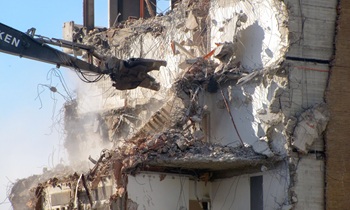
Tracking upfront embodied carbon with digital tools.
ECA welcomes procurement reforms

Public spending must back British jobs and skills.
Campaigning for Edinburgh: the Cockburn Association 1875-2049
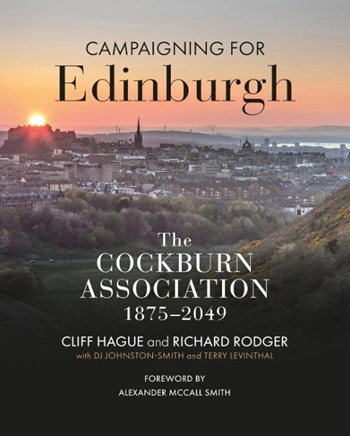
The role of the civic voice in protecting character. Book review.
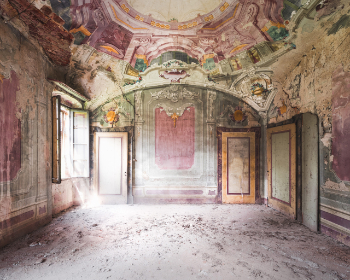
CIOB photography competition is open for entries.
ECA Edmundson apprentice of the year award
Finalists announced.
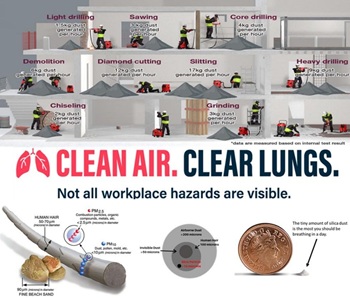
Major new study exposes serious knowledge gaps.
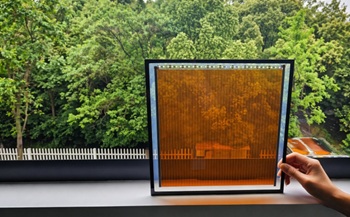
Generating energy from internal light as well as sunshine.

ECA welcomes plans to strengthen subcontractor quality control.
Combining mid-career qualifications with experience broadens career opportunities.

Why being a mentor can help your career.