





Parge coat
The term ‘parge coat’ refers to the application of a thin coat of a cementitious or polymeric mortar to concrete or masonry walls.
Parging (or sometimes 'pargeting') is commonly used as a method for improving the thermal and acoustic performance of walls before before finishing them with a final surface such as drylining.
A parge coat can reduce air leakage through cracks, joints and porous wall constructions and so reduce energy consumption and improve comfort and acoustic performance. It can also be used to prepare a surface for a topcoat.
The parge coat is typically applied by hand, or by spraying, in a continuous coating with a minimum thickness of 6mm. As the walls are then finished with a subsequent top layer, it is not necessary to smooth the parge coat to a perfectly flat surface.
See also: Pargetting
[edit] Related articles on Designing Buildings Wiki
Featured articles
Check out some of the best features and news from Designing Buildings as well as key stories from around the web.

Your views needed - a strategy for the professions, trades and occupations.

Confronting competency, codes, capacity and costs.
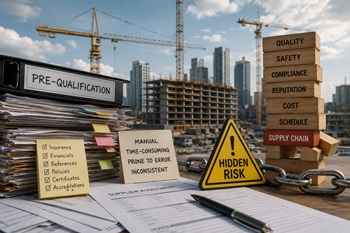
The hidden risk in modern construction supply chains.
Construction Management, 10 June

24 months to 14: CITB launches accelerated apprenticeships.
Bridging the gap between clients and contractors

Concerns remain around contractor quality, capability, and delivery.
Construction Management, 10 June.
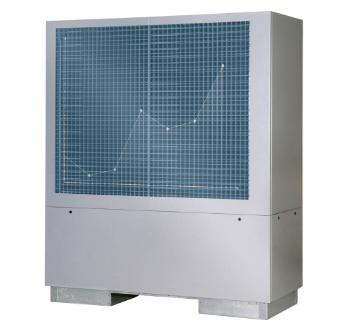
Heat pumps beat boilers in new home tests.
Building Safety Act implementation in Wales
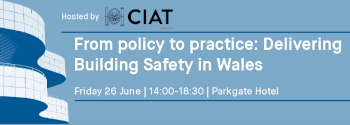
CIAT to host industry panel on 26 June.
New and updated CLC building safety guidance.
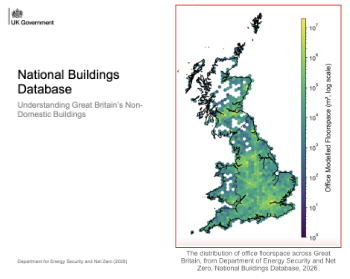
New UK National Buildings Database.
Building Safety Wiki Interviews

Chief executive of the British Woodworking Federation.
Planning condition discharge in England and Wales

A brief explanation from a building compliance expert, with further links.