




Internal Drainage Boards
Water Bill, Glossary: water terms, published by the Department for Environment, Food and Rural Affairs in November 2013, describes Internal Drainage Boards (IDB) as: ‘Independent statutory bodies responsible for land drainage in areas of special drainage need that extend to 1.2 million hectares of lowland England. They operate predominantly under the Land Drainage Act 1991 and have permissive powers to undertake work to secure drainage and water level management of their districts.’
The National Flood and Coastal Erosion Risk Management Strategy for England, Glossary, published by the Environment Agency in 2020, defines an Internal drainage board as: ‘A public body that manages water levels in an area, known as an internal drainage district. IDBs undertake works to reduce flood risk to people and property, and manage water levels for agricultural and environmental needs within their district.’
[edit] Related articles on Designing Buildings
Featured articles
Check out some of the best features and news from Designing Buildings as well as key stories from around the web.

Government approach could undermine delivery and regeneration.
World's first mass timber data centre.

The overlooked environmental aspect of data centre development.
Introduction to radon awareness
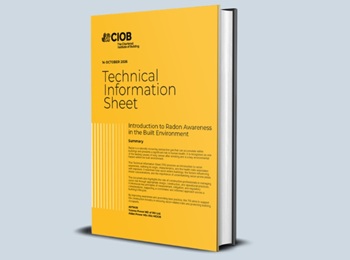
New technical information sheet published by CIOB.

Updated supplier guide can help electrical contractors engage with NHP.

CIAT confirm the winners of the 2026 architectural technology awards.
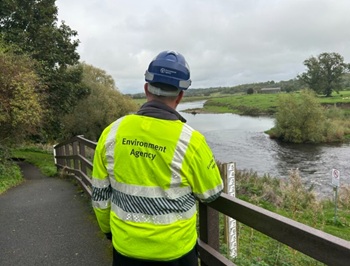
Government launches a one stop shop for flood preparedness.

Sir Edwin Lutyens: Britain's greatest architect? Book review.
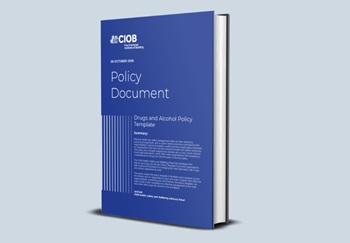
CIOB publishes free template to help assess and manage risks.
ECA's reflections on Party Conference season

Burnham wants to be confident of winning before asking for a fresh mandate.
New Chief Construction and Scientific Adviser

Sergio Cavalaro, Professor of Infrastructure Systems at Loughborough University.
Building safety levy for England

CIAT publish estimator tool for members.
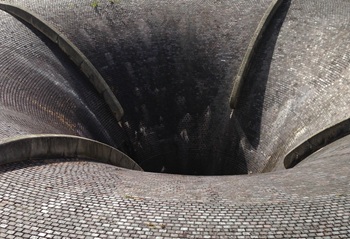
Water sector faces a growing crisis that could slow the delivery of vital infrastructure.