





Difference between preliminaries and preambles

Preliminaries and preambles both appear in tender documents, but they are not to be confused.
Preliminaries provide a description of a project that allows a contractor to assess costs which, whilst they do not form a part of any package of works, are required by the method and circumstances of the works. They might, for example, describe things such as subcontracting, approvals, testing and completion procedures. Preliminaries and work sections together describe what is required to complete the works required by the contract.
For more information see: Preliminaries.
A preamble is an explanation of a document, commonly found in contracts, specifications and bills of quantities. It can help with the interpretation of the document. A preamble might include, a description of the parties to the contract, the background to the document, the objectives of the project, and so on.
For more information see: Preambles.
[edit] Related articles on Designing Buildings
Featured articles
Check out some of the best features and news from Designing Buildings as well as key stories from around the web.
Undervaluing our industrial past

Heritage value changes as taste for building styles changes.
Changing expectations around competence and compliance

New information sheet from CIAT.
Grenfell investigation files passed to CPS

Angela Rayner apologises on behalf of the British state.

Electrical contractors need to understand the practical implications.

The real barrier to getting more value from digital technology.

Your guide to The Construction Reset at UKCW Birmingham.

Accommodating the Victorian and Edwardian working woman. Book review.
Rethinking passive fire protection in design

PFP demands the same level of design rigour as structure or services.

38% of Gen Zs feel safe when a fire door is wedged open.
Stunning images from around the world

Shortlist for CIOB’s Art of Building photography competition.

Guidance for conversion of traditional pre-1919 stone buildings.
Industrial heritage in the Ruhr
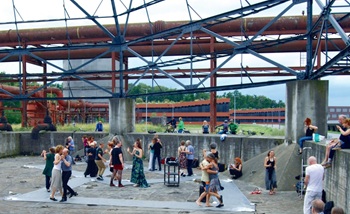
A marked difference to the fate of industrial landscapes in the UK.
Comments
[edit] To make a comment about this article, or to suggest changes, click 'Add a comment' above. Separate your comments from any existing comments by inserting a horizontal line.