





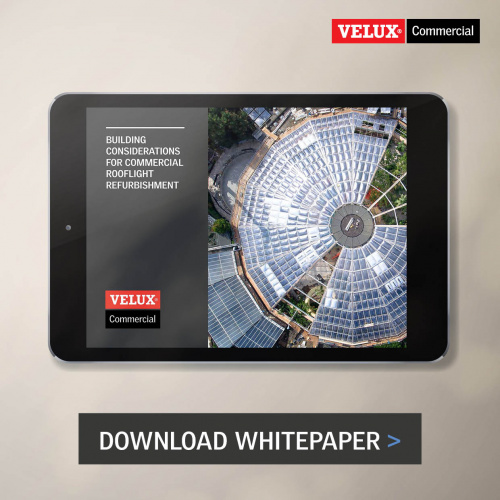
Building considerations for commercial rooflight refurbishment
Introduction
Shelter is the primary function of a roof, placing significant demands on the roof structure and its components. As part of a roof, any rooflight solution must be capable of withstanding the elements. Seasonal weather cycles, combined with extreme weather events (which are becoming increasingly frequent), put a lot of strain on components as they age.
Even with regular maintenance and careful repair, roof coverings and rooflight systems eventually need replacing. Rooflight refurbishment can be carried out in isolation, or as part of a wider package of works involving other components like the waterproofing.
Our understanding of the benefits that well-designed rooflight solutions deliver has developed over time. Today, as part of the roof structure, rooflight solutions must contribute to a variety of performance and comfort measures that require a more balanced approach than simply providing functional shelter.
A roof must be considered as part of the whole building design, meaning commercial rooflight refurbishment offers a rare opportunity. It is a chance to significantly enhance the experience of using a building that may have stood for decades, or more than a century in some cases.
With 75% of the buildings in use today forecast to still be in use in 2050, there will be an increasing need for refurbishment design and specification solutions.
VELUX Commercial have produced the white paper 'Building considerations for commercial rooflight refurbishment' to help designers, specifiers, installers and building owners through the refurbishment process and to appreciate the opportunities to enhance daylighting and ventilation through the specification and installation of new rooflight solutions.
Contents
The full white paper contents headings are:
- Introduction
- Factors that influence commercial building refurbishment
- Commercial building types and refurbishment objectives
- Summary
- VELUX Commercial solutions and support
Related articles:
- A guide to daylight design within commercial buildings using bespoke structural glazing solutions
- EN 17037 Daylight in buildings
- Aspects of daylighting design covered by EN 17037
- Types of building EN 17037 applies to
- Designing daylight solutions for commercial buildings
- How to predict daylight conditions in buildings during the design phase
For more information about the specification and installation of new rooflight solutions, please visit the VELUX Commercial website.
--VELUX Commercial 16:39, 06 May 2021 (BST)
Featured articles
Check out some of the best features and news from Designing Buildings as well as key stories from around the web.
Undervaluing our industrial past

Heritage value changes as taste for building styles changes.
Changing expectations around competence and compliance

New information sheet from CIAT.
Grenfell investigation files passed to CPS

Angela Rayner apologises on behalf of the British state.

Electrical contractors need to understand the practical implications.

The real barrier to getting more value from digital technology.

Your guide to The Construction Reset at UKCW Birmingham.

Accommodating the Victorian and Edwardian working woman. Book review.
Rethinking passive fire protection in design

PFP demands the same level of design rigour as structure or services.

38% of Gen Zs feel safe when a fire door is wedged open.
Stunning images from around the world
Shortlist for CIOB’s Art of Building photography competition.
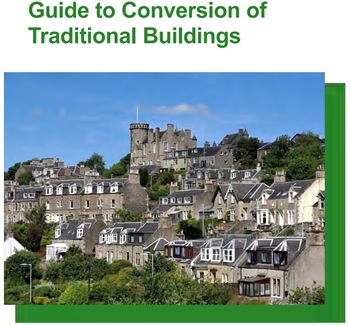
Guidance for conversion of traditional pre-1919 stone buildings.
Industrial heritage in the Ruhr
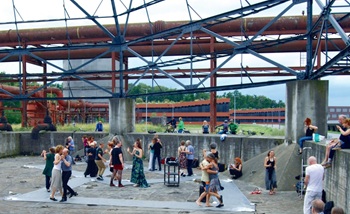
A marked difference to the fate of industrial landscapes in the UK.
Comments
[edit] To make a comment about this article, or to suggest changes, click 'Add a comment' above. Separate your comments from any existing comments by inserting a horizontal line.