




Metre

The word ‘metre’ is the UK spelling for the base unit of length in the International System of Units (SI). In the USA, this may be spelled ‘meter’, although in the UK, ‘meter’ refers to a measuring device. For more information see: Meter.
A metre was originally defined as one ten-millionth of the distance from the equator to the North Pole along a great circle. This was later changed to the length of a reference metal bar, but in 1983 it was redefined as the distance travelled by light in a vacuum in 1/299,792,458 of a second.
A centimetre is 100th of a meter and a millimetre is 1000th of a metre. A nanometre (nm) is a (10−9) of a metre.
A kilometre is 1000 metres.
A square metre (m²) is the SI derived unit of area.
A cubic metre (m³) is the SI derived unit of area.
[edit] Related articles on Designing Buildings Wiki
Featured articles
Check out some of the best features and news from Designing Buildings as well as key stories from around the web.
Fire performance of thermal insulation
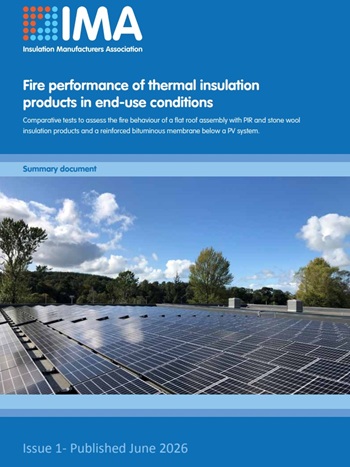
Flat roof assemblies with PV.
Become a Professional Development Partner

CIOB launches a new framework for staff development and chartered membership.
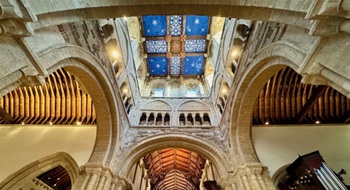
Dorset's first conservation campaigner?
Gov.uk - Hot-rolled steel plate

New anti-dumping measure imposed on South Korea.
ECA responds to the Milburn Report

Youth employment to be linked to workforce demand.
The construction industry urgently needs to attract new talent

CIOB responds to Neets report.
Grenfell Tower community update

Memorial columns to be retained as careful dismantling continues.
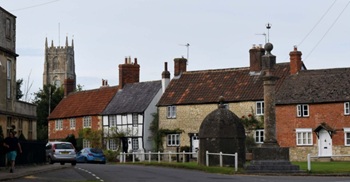
When buildings reflected the local resources available.

CIOB reports 57% are using artificial intelligence technologies.
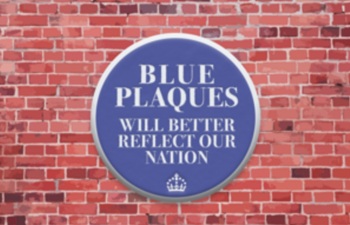
More of England’s ‘hidden heroes’ will be celebrated.

CIAT calls for retrofit to be a priority.
Version 6 is now available, along with guidance for ECA members.