




Eco-development
The glossary of statistical terms, published by the Organisation for Economic Co-operation and Development (OECD), states: ‘Eco-development refers to development at regional and local levels, consistent with the potentials of the area involved, with attention given to the adequate and rational use of natural resources, technological styles and organizational forms that respect the natural ecosystems and local social and cultural patterns. The term is also used to describe an integrated approach to environment and development.’
[edit] Related articles on Designing Buildings
- 4 Eco-Cities of the Future.
- BREEAM.
- Eco design directive.
- Eco houses for environment-friendly architecture.
- Eco town.
- Eco-Design for Energy-Related Products Regulations.
- Eco-Management and Audit Scheme EMAS.
- Implementing Eco-Friendly Building Design.
- Passivhaus.
- Planning Policy Statement: eco-towns, A supplement to Planning Policy Statement 1.
- Sustainable building.
- Transitioning to eco-cities: Reducing carbon emissions while improving urban welfare.
Featured articles
Check out some of the best features and news from Designing Buildings as well as key stories from around the web.

CIAT calls for retrofit to be a priority.
Version 6 is now available, along with guidance for ECA members.
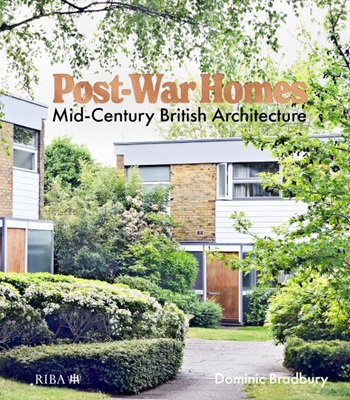
Post-War Homes: mid-century British architecture. Book review.

CIAT reflects on the party conferences.
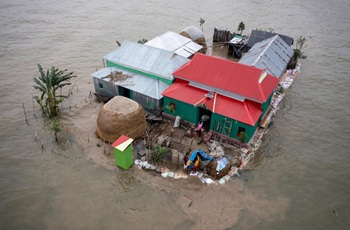
CIOB announce the winners of the Art of Building photography competition.
National Scheme of Delegation introduced.

The cost of employing people remains a concern.
Code of Practice for Electrical Energy Storage Systems.

ECA calls on members to comment on draft 4th edition.

Bringing together expertise and creating cultural benefits.

CIOB celebrates positive Ofsted report.

The Building Safety Regulator announces a call for evidence.

Government approach could undermine delivery and regeneration.