




Defrassing
Defrassing is a technique used in building conservation, particularly in the preservation and restoration of historic masonry. It involves the careful removal of loose, friable, or decayed stone and mortar to ensure the structural integrity and aesthetic quality of a building. Unlike aggressive cleaning or replacement, defrassing is a delicate intervention aimed at retaining as much of the original material as possible while preventing further deterioration.
One of the primary reasons for defrassing is to eliminate unstable elements that could pose safety hazards or accelerate decay. Over time, weathering, pollution, and biological growth can weaken stone and mortar, leading to crumbling surfaces and the potential for structural failure. By selectively removing deteriorated material, conservationists can prepare the surface for more effective repairs, such as repointing or consolidation, without compromising the historical authenticity of the structure.
The success of defrassing depends on the expertise of the conservator and the use of appropriate tools and techniques. Hand tools such as chisels and brushes are often preferred over mechanical methods, as they allow for greater control and minimise the risk of causing unnecessary damage. In some cases, low-pressure air or water techniques may be used to gently dislodge weakened particles without harming the surrounding material.
Another significant benefit of defrassing is its role in preventing moisture ingress. Loose and degraded masonry can create pathways for water to penetrate deeper into a structure, leading to further damage through freeze-thaw cycles, salt crystallisation, or biological growth. By carefully removing compromised material and preparing the surface for suitable repairs, defrassing helps maintain the building’s ability to withstand environmental challenges while preserving its historic character.
This technique is often used as part of a broader conservation strategy, working in conjunction with other methods such as stone patching, shelter coating, or lime-based treatments. While it may seem like a minor intervention, defrassing plays a crucial role in extending the life of historic buildings, ensuring they remain safe, functional, and visually coherent for future generations. The careful balance between material retention and necessary removal makes it a fundamental practice in responsible heritage conservation.
Defrassing techniques can also be used on other materials such as timber.
[edit] Related articles on Designing Buildings.
IHBC NewsBlog
IHBC sponsors Gardens Trust event 23-4 Sept 2026
.jpeg)
'Learning from the Past, Shaping the Future’ takes place in Milton Keynes
Renovations to Frank Lloyd Wright's Fallingwater complete
.jpg)
World Heritage Preserved project opens house for tours again
Shakespeare Birthplace Trust places Hall's Croft on HAR Register
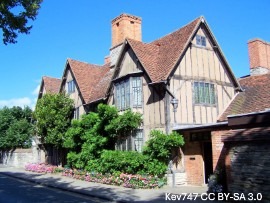
Stratford-upon-Avon home of Shakespeare's daughter is 'At Risk'
Lady Grange’s House repaired on St Kilda
.jpg)
National Trust for Scotland repairs stone cleit with link to famous island resident
Griff Rhys Jones on BBC Radio 4 Today programme
,_Green_Lane,_Derby.jpg)
The Victorian Society’s President unveiled its latest Top Ten Endangered Buildings 2026.
Need a MATE? Book your place now.

IHBC offers free webinars on applying for IHBC accreditation (Full & Associate).
UK Stained Glass Repository finds windows new homes

How are stained glass windows are rescued, stored and repurposed?
APPGEBE report sets high aims for quality
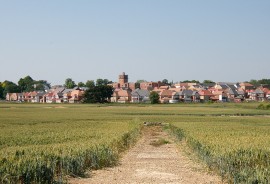
'Government must not sacrifice quality in drive to build 1.5m homes'
New measures protect Historic Shipwrecks from heritage crime

Underwater cultural heritage benefits from new HE guidance
How could the City of London skyline look in 6 years' time?

Visualisation shows approved planning applications as completed buildings
National Trust for Scotland calls for VAT cuts

Heritage neglect is encouraged by current policies
IHBC's 'Context' Issue 186 features Industrial Heritage
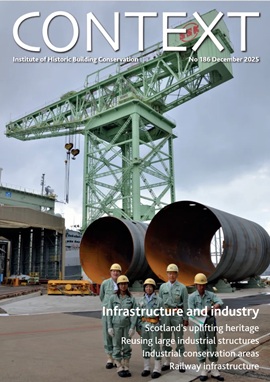
IHBC's members' journal reports on the challenges of conserving infrastructure
Book now for IHBC Annual School 2026

IHBC Annual School is taking place 18-20 June 2026 in Newcastle
RICHeS Research Infrastructure offers ‘Full Access Fund Call’
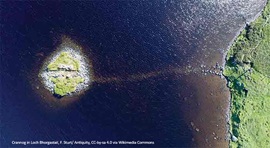
RICHeS offers a ‘Help’ webinar on 11 March
Latest IHBC Issue of Context features Roofing
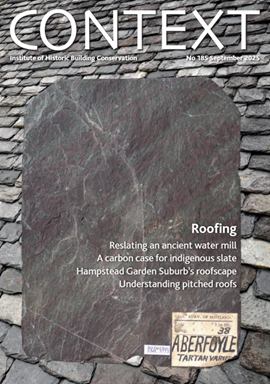
Articles range from slate to pitched roofs, and carbon impact to solar generation to roofscapes
Three reasons not to demolish Edinburgh’s Argyle House

Should 'Edinburgh's ugliest building' be saved?
IHBC’s 2025 Parliamentary Briefing...from Crafts in Crisis to Rubbish Retrofit
IHBC launches research-led ‘5 Commitments to Help Heritage Skills in Conservation’
How RDSAP 10.2 impacts EPC assessments in traditional buildings

Energy performance certificates (EPCs) tell us how energy efficient our buildings are, but the way these certificates are generated has changed.