





Construction staples
Construction staples are a type of fastener that is usually metal and comprises two connected prongs, in a U- shape. They are often used in construction for joining or attaching materials together.
Construction staples are typically larger, thicker and have more chiselled tips than ordinary staples but they follow the same basic principle – a staple gun or hammer tacker is used to punch them through a material. Under some circumstances the prongs may bend back on themselves, as with ordinary staples, but in construction, they generally retain their shape, and simply bed themselves into a material, rather than passing through it to the other side.
As staples are ejected from a staple gun at high speed they should be used with care, wearing safety glasses and gloves.
The crown of the staple (the horizontal piece between vertical prongs) provides a greater surface area than other fasteners such as nails or screws, which means staples can bridge materials that are butted together. Staples also have the advantage that they can fasten a piece of material without puncturing it, instead having a prong on either side, e.g. fastening electrical cables to timber framing. Staples can also be easier to remove, without causing damage, or leaving a noticeable hole.
[edit] Related articles on Designing Buildings Wiki
- Adhesive.
- Cable tie.
- Clamp.
- Construction equipment.
- Construction tools.
- Cramp.
- Crimp.
- Fittings.
- Fixing and fastener.
- Fixture.
- Furnishings.
- Furniture, fixtures and equipment.
- Maintenance Repair Operations MRO.
- Nails - a brief history.
- Strap.
- Types of bolts.
- Types of fixings.
- Types of nails.
- Types of nuts.
- Types of screws.
Featured articles and news

We're expanding our collaborative mission by launching DB Intelligence, an exclusive market research advisory panel. Built environment professionals can now get paid to share their expertise on industry trends, products and services.
Panel members receive direct financial incentives for participating in research projects like short surveys, 1-2-1 interviews and focus groups. Register today to shape the future of the construction sector.
Building Control Independent Panel final report
A precis of a key report led by Dame Hackitt with full recommendations and link to the government response.
Guide to ISO 19650 for Architecture Firms (2026)
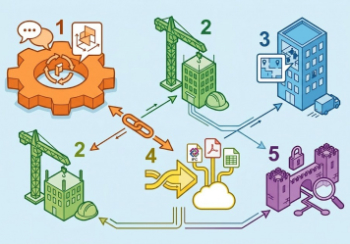
A user gives their low down.

A UK training and membership provider for mould remediation professionals.
Building Safety recap April, 2026
A short and longer run-through of the month, with links to further information and sources.
CIAT May 2026 briefing.

Independent NSI and BAFE study exploring how organisations are changing the way they buy fire safety services.

From medieval scribes to modern word art.

ECA welcomes crackdown on late payment and push for clean energy, whilst CIOB seek fixed cladding removal timeframes.
Cyber Security in the Built Environment
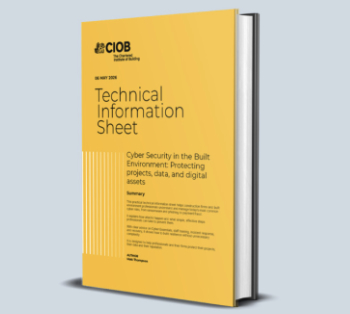
Protecting projects, data, and digital assets: A CIOB Academy TIS.
Managing competence in the built environment
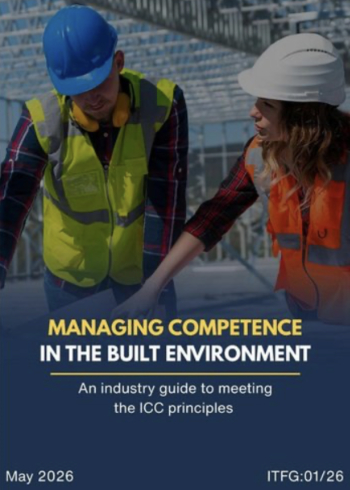
ITFG publishes new industry guide on how to meet the ICC principles.
The UK's campaign to reduce noise pollution: Mythbusting, articles and topic guides.
Comments