




100-year event

A 100-year event (or 100-year return period event) is an event that occurs (or is exceeded) on average once in every one hundred years (such as a storm, flood or rainfall event). This can also be expressed as 1 in 100 or 1:100.
For example, a 100-year storm is a storm that is likely to occur once every hundred years.
A ‘return period’ is an estimate of the likelihood of a particular event occurring. The return period of a rainfall event is the average time between events of at least a given magnitude.
Events can also be described by their ‘probability of occurrence’ (or frequency of occurrence) which is expressed as a percentage, or as 1 divided by the return period. The probability of occurrence of a 100-year event is 1%.
The ‘critical duration’ is the duration of the event for a specified return period event.
Ref CIRIA. 2015. C753. The SuDS Manual.
[edit] Related articles on Designing Buildings Wiki
Featured articles
Check out some of the best features and news from Designing Buildings as well as key stories from around the web.
Become a Professional Development Partner

CIOB launches a new framework for staff development and chartered membership.
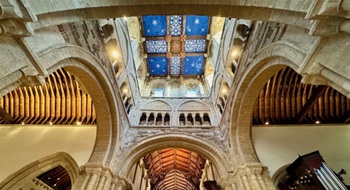
Dorset's first conservation campaigner?
Gov.uk - Hot-rolled steel plate

New anti-dumping measure imposed on South Korea.
ECA responds to the Milburn Report

Youth employment to be linked to workforce demand.
The construction industry urgently needs to attract new talent

CIOB responds to Neets report.
Grenfell Tower community update

Memorial columns to be retained as careful dismantling continues.
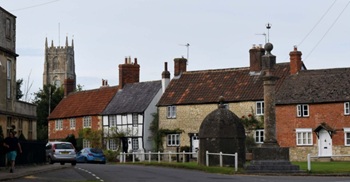
When buildings reflected the local resources available.

CIOB reports 57% are using artificial intelligence technologies.

More of England’s ‘hidden heroes’ will be celebrated.

CIAT calls for retrofit to be a priority.

Version 6 is now available, along with guidance for ECA members.

Post-War Homes: mid-century British architecture. Book review.