





Zero-coupon bond
A zero-coupon bond, also known as a deep discount bond, is a form of debt security that does not pay interest to the bondholder. This is different from a normal bond which does pay interest (coupons). Instead a zero-coupon bond is traded at face value when the bond matures.
The profit gained by investors is derived from difference between what they pay for the bond and the amount they sell it for at maturity. This difference is achieved in part because of the large (or deep) discount that a zero-coupon bond is purchased at.
An example is a zero-coupon bond issued at £50 and sold for £100 after seven years. This would have offered a return equivalent to over 10% per year compound over the seven years of the bond. In the UK as in many other countries, some of the capital gain on a zero-coupon bond is treated as taxable income.
A zero-coupon bond can be useful in property financing as income is often in short supply in the early years of a project. However, it is considered a riskier investment than regular bonds because if the bond issuer defaults, the investor will lose all their investment and won’t have even received interest payments.
[edit] Related articles on Designing Buildings Wiki
Featured articles and news
New Scottish and Welsh governments

CIOB stresses importance of construction after new parliament elections.
The sad story of Derby Hippodrome
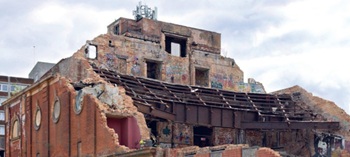
An historic building left to decay.

ECA, JIB and JTL back Fabian Society call to invest in skills for a stronger built environment workforce.

Women's Contributions to the Built Environment.
Calls for the delayed Circular Economy Strategy

Over 50 leading businesses, trade associations and professional bodies, including CIAT, and UKGBC sign open letter.
The future workforce: culture change and skill

Under the spotlight at UK Construction Week London.
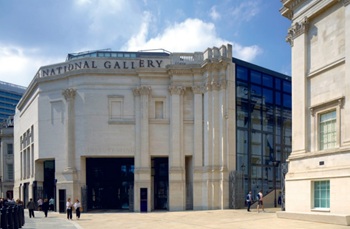
A landmark moment for postmodern heritage.
A safe energy transition – ECA launches a new Charter

Practical policy actions to speed up low carbon adoption while maintaining installation safety and competency.
Frank Duffy: Researcher and Practitioner

Reflections on achievements and relevance to the wider research and practice communities.
The 2026 Compliance Landscape: Fire doors

Why 'Business as Usual' is a Liability.
Cutting construction carbon footprint by caring for soil

Is construction neglecting one of the planet’s most powerful carbon stores and one of our greatest natural climate allies.
ARCHITECTURE: How's it progressing?
Archiblogger posing questions of a historical and contextual nature.
The roofscape of Hampstead Garden Suburb
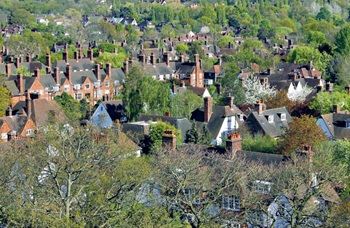
Residents, architects and roofers need to understand detailing.
Homes, landlords. tenants and the new housing standards

What will it all mean?
Comments