





About SnowflakesAirConditioning
In North Lauderdale, our air conditioning isn't a luxury. It’s a survival tool.
 Other
Other [edit] Your North Lauderdale AC Troubleshooting Chart: Solving the Humidity Headache
In North Lauderdale, our air conditioning isn't a luxury. It’s a survival tool. With heat and humidity pinned at "high" for most of the year, your AC is under massive pressure every single day. When it starts acting up, it doesn't just ruin your afternoon; it spikes your power bills and makes your living room feel like a Florida swamp.
This is exactly where an AC Troubleshooting Chart becomes essential for homeowners trying to stay ahead of common system issues.
The good news? Most AC meltdowns don’t happen out of thin air. They give you warnings first. Understanding the Common Issues, Causes & Solutions within your system helps you catch the "smoke" before there’s an actual fire. Experts like Snowflakes Air Conditioning spend their days helping neighbors spot these red flags, ensuring a small fix today doesn't turn into a $5,000 replacement tomorrow.
Using an AC Troubleshooting Chart makes it easier to connect these warning signs with real solutions quickly.
[edit] Contents
|
[edit] When the Cooling Starts Feeling "Soft"
One of the first things you’ll notice is that the air just isn’t crisp anymore. The unit is running. The fans are spinning. But the house feels heavy and warm. This gradual slide in performance is a classic sign of an efficiency drop.
An AC Troubleshooting Chart can help you identify whether this issue is related to airflow, refrigerant levels, or system wear.
In North Lauderdale, our systems run for massive stretches at a time. Over months of nonstop work, things like dirty coils or low refrigerant levels start to sap the system's strength. You might also notice the living room is an icebox while the back bedroom feels like a sauna. This uneven cooling usually tells us the system is struggling to push air where it actually needs to go.
300px
[edit] When the Airflow Just Isn't Pushing
Put your hand up to a vent. Does the air feel like a strong gust or more like a light breeze? If it’s the latter, you have an airflow problem. This is almost always linked to an internal imbalance or a blockage somewhere in the line. With an AC Troubleshooting Chart, weak airflow can quickly be traced back to clogged ducts or a failing blower motor.
Because we use our AC so heavily in South Florida, buildup inside the ductwork or a struggling blower motor is common. When airflow is weak, your system has to stay on much longer to hit your target temperature. That extra work puts a huge strain on the compressor the most expensive part of the whole machine.
[edit] When the System Stops Listening to You
There is nothing more frustrating than standing at the thermostat, clicking the settings, and having absolutely nothing happen. Or, maybe the system turns on, but then it immediately shuts off. Or it waits ten minutes before it finally kicks in. An AC Troubleshooting Chart helps pinpoint whether the issue is electrical, sensor-related, or a thermostat malfunction.
This usually points to a communication breakdown between your controls and the unit. It could be a simple wiring issue, or a sensor that is starting to fail. If your AC is behaving unpredictably—turning on and off like it’s confused—the different parts of the system are no longer on the same page.
[edit] When Your AC Starts Making a "Racket"
Modern air conditioners are built to be background noise. If you start hearing rattling, buzzing, or a constant humming, that is your system's way of screaming for help. An AC Troubleshooting Chart is useful here to match specific sounds with mechanical issues before they worsen.
These sounds are almost always the result of mechanical stress. It could be a loose bracket, a failing fan blade, or internal wear on the motor. In a place like North Lauderdale, where the AC never gets a day off, these small mechanical rattles can quickly turn into a total system seizure if you don't tighten things up early.
[edit] When Water Starts Showing Up Around the Unit
Finding a puddle around your indoor unit is a major red flag. In our humid climate, your AC doesn't just cool the air; it pulls moisture out of it. That moisture has to go somewhere, and it’s supposed to go down the drain line. An AC Troubleshooting Chart often highlights clogged drain lines as one of the most common causes of indoor leaks.
If that line gets clogged which happens a lot in Florida due to algae and dust—the water backs up and leaks into your home. Not only does this mess with your indoor humidity, but it can also cause actual water damage to your floors. Managing that drainage is a huge part of keeping a Florida AC healthy.
[edit] When Your Electricity Bill Takes a Random Leap
If you haven't changed your habits but your power bill just jumped by 30%, your AC is likely the culprit. When a system isn't running efficiently, it has to stay on for longer, harder cycles to do the same amount of cooling. Referring to an AC Troubleshooting Chart can help identify efficiency issues that are silently increasing your energy costs.
Even a small issue like a dirty filter or a slightly tilted fan—can make the system "work overtime." In North Lauderdale, where usage is high anyway, these small inefficiencies add up to a lot of wasted money by the end of the month.
[edit] Why You Shouldn't Just "Wait and See"
AC problems are like a toothache; they never get better on their own. What starts as a weird hum in May usually becomes a total system failure by August when the heat is at its absolute worst. By learning the Common Issues, Causes & Solutions, you can take action while the fix is still cheap and simple. An AC Troubleshooting Chart gives you a clear roadmap so you can act early instead of reacting to major breakdowns.
Regular maintenance and professional checkups are your best defense. It’s a lot easier to clean a drain line or tighten a bolt during a scheduled visit than it is to call for an emergency repair on a Sunday afternoon when it's 95 degrees outside.
[edit] The Value of a Professional Eye
You can definitely spot the symptoms, but diagnosing the actual cause takes technical expertise. AC units are a complex mix of high-voltage electricity, pressurized gas, and moving parts. Even with an AC Troubleshooting Chart, professional inspection ensures nothing critical is overlooked.
The team at Snowflakes Air Conditioning knows exactly what North Lauderdale’s climate does to these machines. They find the hidden issues that aren't obvious to the naked eye, ensuring your system is optimized for long-term survival, not just a quick fix.
[edit] Frequently Asked Questions (FAQs)
[edit] 1. What are the most common AC problems in North Lauderdale?
Most homeowners deal with weak cooling, clogged drain lines, and high energy bills because the system has to run too long to fight the humidity. An AC Troubleshooting Chart can help identify these issues early.
[edit] 2. Why is my AC running but the house isn't getting cold?
It’s usually a lack of airflow or a decline in efficiency. It could be as simple as a filthy air filter or as serious as a refrigerant leak. Using an AC Troubleshooting Chart can help narrow down the exact cause.
[edit] 3. When should I call for a pro?
If you notice any change in performance like new sounds, uneven temps, or a sudden spike in your bill—it’s time for an inspection.
[edit] 4. Can maintenance actually save me money?
Absolutely. A well-maintained system runs shorter cycles and uses less power, which directly lowers your monthly bill and prevents those massive repair surprises. Following an AC Troubleshooting Chart also helps you stay proactive and avoid costly repairs.
Featured articles and news

We're expanding our collaborative mission by launching DB Intelligence, an exclusive market research advisory panel. Built environment professionals can now get paid to share their expertise on industry trends, products and services.
Panel members receive direct financial incentives for participating in research projects like short surveys, 1-2-1 interviews and focus groups. Register today to shape the future of the construction sector.
Building Control Independent Panel final report
A precis of a key report led by Dame Hackitt with full recommendations and link to the government response.
Guide to ISO 19650 for Architecture Firms (2026)
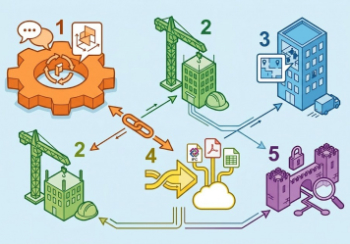
A user gives their low down.

A UK training and membership provider for mould remediation professionals.
Building Safety recap April, 2026
A short and longer run-through of the month, with links to further information and sources.

CIAT May 2026 briefing.

Independent NSI and BAFE study exploring how organisations are changing the way they buy fire safety services.

From medieval scribes to modern word art.

ECA welcomes crackdown on late payment and push for clean energy, whilst CIOB seek fixed cladding removal timeframes.
Cyber Security in the Built Environment

Protecting projects, data, and digital assets: A CIOB Academy TIS.
Managing competence in the built environment

ITFG publishes new industry guide on how to meet the ICC principles.
The UK's campaign to reduce noise pollution: Mythbusting, articles and topic guides.