





Professional consultant's certificate
New properties may be provided with a Professional Consultant's Certificate (PCC) by the professional consultants who designed and/or monitored the construction of the property. Lenders will generally only lend against a newly built or converted property if it is covered by a 10 year warranty or by a PCC.
A PCC provides evidence that a professional consultant has inspected the construction works to ensure they conform with the specification and with legal requirements such as the building regulations. This requires that the consultant has appropriate experience of such works. To qualify as a ‘professional consultant’, consultants must belong to one of the bodies listed in the UK Finance Mortgage Lenders' Handbook.
The consultant remains liable to current and future owners of the property under the certificate for 6 years from the date on the certificate and must maintain adequate professional indemnity insurance to cover this liability.
It is recommended that consultants make clear to owners the limitations of PCC’s and that they keep thorough records of what they did and did not inspect during the works, and the reasons for this. They should also verify they have the appropriate professional indemnity insurance, and maintain this for the period of liability.
PCC’s may be cheaper than warranties, but they will generally provide less cover – only giving the right to sue the consultant if they have negligently issued the certificate. In contrast, a warranty will generally last longer and does not require that blame is proved. An alternative might be the provision of a collateral warranty in favour of the owner or occupier.
[edit] Related articles on Designing Buildings Wiki
- Bonds v guarantees.
- Bonds.
- Breach of contract.
- Collateral warranty.
- Defects.
- Fit for purpose.
- Guarantees.
- Insurance.
- Latent defects.
- Patent defects.
- Reasonable skill and care.
- Warranty.
[edit] External references
Featured articles
Check out some of the best features and news from Designing Buildings as well as key stories from around the web.

Why being a mentor can help your career.

Channel 4 broadcaster to host 125th anniversary ceremony.
Listed structures on the rail network
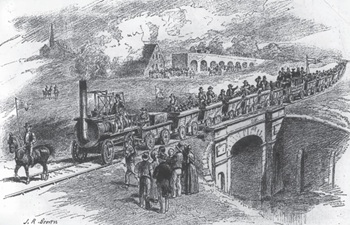
Heritage interests and operational requirements must be balanced.
Historic England publishes research into embodied carbon when retrofitting traditional buildings.

New Prime Minister delivers on ECA call for cut in electricity costs.

CIOB reacts to the announcement of Andy Burnham as Prime Minister.

Heritage and conservation science workforce survey - Have your say.
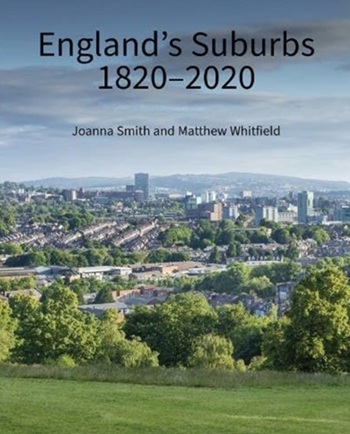
England's Suburbs 1820-2020. Book review.

New, more proportionate and targeted approach for higher-risk building assessments.

Government brings British Steel into public ownership.

UKCW Birmingham returns with bold new theme and focus.

New guidance published on competence requirements for self-certification schemes.