





Fail safe
The definition of a fail-safe is 'A design characteristic by which a unit or system will become safe, and remain safe, if a system or component fails or loses its activation energy.' (US Department of Energy)
Fail-safe systems prioritise safety over continually trying to function, so the systems just stops leaving the mechanism open and less harmful. For example a fail-safe door lock would become unlocked during a power outage to ensure emergency exit is possible or a gas valve that may default to closed in the event of a malfunction to ensure there are no leaks. The latter which leaves the system closed under a malfunction might also be referred to as a "fail-secure" system, because it remains locked under failure rather than free.
Featured articles
Check out some of the best features and news from Designing Buildings as well as key stories from around the web.
Bridging the gap between clients and contractors

Concerns remain around contractor quality, capability, and delivery.
Construction Management, 10 June.
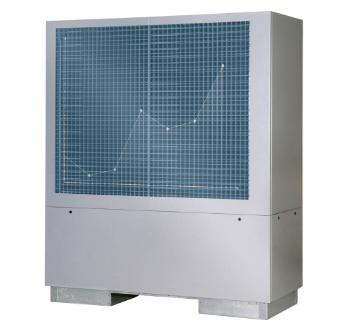
Heat pumps beat boilers in new home tests.
Building Safety Act implementation in Wales

CIAT to host industry panel on 26 June.

New and updated CLC building safety guidance.
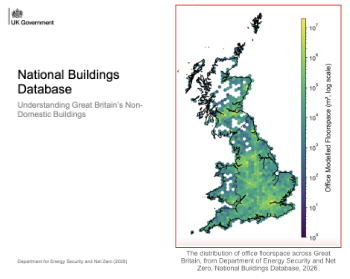
New UK National Buildings Database.
Building Safety Wiki Interviews

Chief executive of the British Woodworking Federation.
Planning condition discharge in England and Wales

A brief explanation from a building compliance expert, with further links.
Overheating guidance and tools for building designers

Guidance for dealing with element of building fabric control that have increasing importance.
Shading for housing, a design guide

From the Good Homes Alliance and British Blind and Shutter Association.
UK Standard Skills Classification (SSC)

A shared framework for describing skills needs.
Social media ban consultation comes to close

CIOB urges UK Government to consider social media’s role in careers guidance in ban debate.