





Without prejudice
‘Without prejudice’ is a legal rule that governs the admissibility of evidence and is often used when parties are in dispute. It may be used on written communications (letters and emails) and in meetings and other discussions.
‘Without prejudice’ (WP) indicates that the contents of the communication shall not be used in a court case to the detriment of the writer. Statements made in writing or in meetings and discussions as part of a genuine attempt to settle an existing dispute can be prevented from being put to a court as evidence against the party that made them if they were made without prejudice.
Typically, parties in a dispute will write to each other setting out their case and why they feel they are right. All communications need to be clearly labelled as WP if they contain a concession, while meetings and discussions must also be formally agreed as being WP prior to starting.
The without prejudice (WP) rule is useful as it can encourage parties seeking potential litigation to negotiate and settle out of court, knowing that they may negotiate without fear in settlement discussions. Statements or concessions they make (including any admissions made in trying to settle the matter without going to court) may not be used against them if the discussions fail and legal action is necessary. The parties will have set out their position without prejudice if the matter is argued in court.
However, including the words ‘without prejudice’ does not automatically offer any magical protection. If a case subsequently goes to court, the statements made must constitute a genuine attempt to settle an existing dispute. A letter that is nothing but a list of what the party is going to argue in court and with no hint of concession does not have to be labelled as WP. Even if it is, it will not be treated as such. In addition, adding ‘without prejudice’ when it is not applicable may simply lead to confusion.
See: Transform Schools (North Lanarkshire) Limited v Balfour Beatty Construction Limited and Balfour Beatty Kilpatrick Limited. Ref https://www.scottishconstructionnow.com/article/laura-mccorquodale-why-without-prejudice-wording-does-not-create-a-magical-force-field-of-legal-protection-around-documents
[edit] Related articles on Designing Buildings Wiki
- Adjudicators and bias.
- Alternative dispute resolution.
- Alternative Dispute Resolution legislation.
- Arbitration.
- Arbitration v Adjudication.
- Breach of contract.
- Causes of construction disputes.
- Conciliation
- Contract claims.
- Dispute resolution.
- Dispute resolution board.
- Expert determination.
- Pay now argue later.
- Pre-Action Protocol for Debt Claims.
- Mediation.
Featured articles
Check out some of the best features and news from Designing Buildings as well as key stories from around the web.
Building Safety Act implementation in Wales
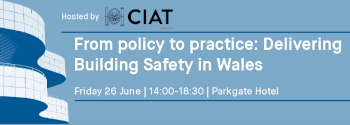
CIAT to host industry panel on 26 June.
New and updated CLC building safety guidance.
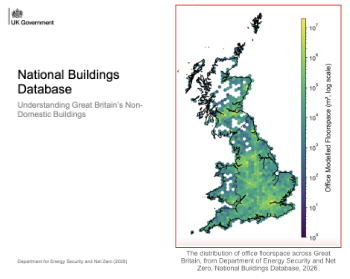
New UK National Buildings Database.
Building Safety Wiki Interviews

Chief executive of the British Woodworking Federation.
Planning condition discharge in England and Wales

A brief explanation from a building compliance expert, with further links.
Overheating guidance and tools for building designers

Guidance for dealing with element of building fabric control that have increasing importance.
Shading for housing, a design guide

From the Good Homes Alliance and British Blind and Shutter Association.
UK Standard Skills Classification (SSC)

A shared framework for describing skills needs.
Social media ban consultation comes to close

CIOB urges UK Government to consider social media’s role in careers guidance in ban debate.
The latest of eight Skills England apprenticeship units

The addition of battery manufacturing welcomed by ECA with a warning about the risks of fast-tracked apprenticeship units.
Building Control Independent Panel final report
A precis of a key report led by Dame Hackitt with full recommendations and link to the government response.