





About PV Combiner Box
PV Combiner Box from PowerHome provide safer solar wiring, stable power output, and dependable circuit protection for modern systems.
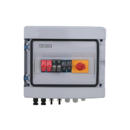
PV Combiner Box selection has quietly become one of the most influential steps in building a stable solar system, even though many installers and system designers only realize it when they face messy cable runs, unprotected string inputs, or unpredictable voltage drops. A good PV Combiner Box brings order and safety into a design that might otherwise rely on improvised connections. PowerHome enters naturally in these conversations because teams want predictable wiring layouts, transparent protection ratings, and components that make commissioning faster instead of harder.
Across commercial rooftops, ground-mounted farms, and residential hybrid setups, the PV Combiner Box plays the role of reducing clutter while adding essential DC protection. Installers often describe situations where multiple strings arrive at the inverter with inconsistent voltages or exposed junctions that make maintenance risky. A well-engineered PV Combiner Box consolidates these strings, integrates fuses or circuit breakers, and ensures each input is isolated, labeled, and protected. In large systems, the efficiency gains from proper string management become obvious—less troubleshooting, lower resistance, and fewer hotspots caused by mismatched connections.
Technical detail matters in procurement, especially for EPC contractors and solar integrators who work under tight deadlines. PowerHome PV Combiner Box configurations typically include multiple string options, MC4-compatible inputs, high-temperature-rated wiring, and DC disconnects built for long outdoor exposure. Surge protection devices, busbar materials, enclosure airflow design, and IP65/IP66 ratings all help ensure continued performance under harsh sunlight, dust, humidity, or sudden weather shifts. By keeping voltage drop low and providing accurate monitoring points, the PV Combiner Box supports stable inverter operation and more consistent DC-to-AC conversion.
The market has long faced unmet needs around durability and real-time visibility. Installers want a PV Combiner Box that doesn’t overheat, doesn’t corrode in a year, and doesn’t require rewiring during expansion. Many integrators also prioritize clear labeling and safe access for technicians. PowerHome’s engineering responses—higher-grade components, better thermal spacing, and protection tailored for multi-string solar arrays—address these persistent frustrations while keeping the system scalable for future additions.
With rising expectations for both safety and efficiency, the PV Combiner Box has shifted from a simple junction point to a central part of the system’s reliability. Strong build quality, cleaner wiring, and stable protection are no longer optional for B2B2C buyers who want fewer callbacks and smoother commissioning. In that environment, a well-designed PV Combiner Box becomes a genuine performance booster rather than just a supporting accessory.
Featured articles
Check out some of the best features and news from Designing Buildings as well as key stories from around the web.

Channel 4 broadcaster to host 125th anniversary ceremony.
Listed structures on the rail network
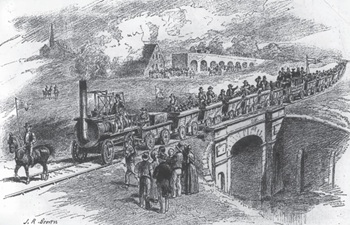
Heritage interests and operational requirements must be balanced.
Historic England publishes research into embodied carbon when retrofitting traditional buildings.
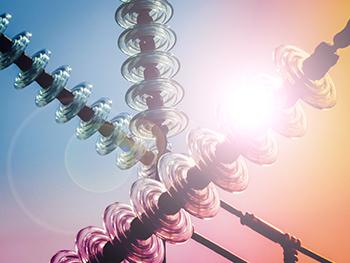
New Prime Minister delivers on ECA call for cut in electricity costs.

CIOB reacts to the announcement of Andy Burnham as Prime Minister.

Heritage and conservation science workforce survey - Have your say.

England's Suburbs 1820-2020. Book review.

New, more proportionate and targeted approach for higher-risk building assessments.
Government brings British Steel into public ownership.

UKCW Birmingham returns with bold new theme and focus.
New guidance published on competence requirements for self-certification schemes.
Construction Management, 8 July
NEETs crisis drives interest in trades, but apprenticeships barriers remain.