





High Density Polypropylene (HDPP)
High density polypropylene (HDPP), also called polypropene is a thermoplastic polymer, made up of the monomer, propylene. It can be manufactured as a dense product that has high resistance to chemical cleansers but also relatively light and flexible with a low melting point between 130 and 170 degrees C.
Polypropylene (PP) is a commonly used material for packaging, automotive parts and textiles, whilst HDPP is commonly used to manufacture pipes as an alternative to high density polyethylene (HDPE). HDPE is naturally greater resistance to UV but HDPP can contain additives that increases its UV stability. HDPP can become more brittle at lower temperatures and poorer resistance to oils than HDPE.
Polypropylene (PP) including High density polypropylene (HDPP) comes under category 5 in the Resin Identification Code (RIC) system for plastic classification, where as high density polyethylene (HDPE) falls in category 2. To differentiate between the two under a burn test ,HDPP tends to smell of petroleum whilst HDPE smells more of melted candlewax.
[edit] Related articles on Designing Buildings
- Adhesives.
- Construction plastics market.
- ETFE.
- High density polyethylene (HDPE).
- Glass reinforced plastic GRP.
- Plasticisation.
- Plastic in construction.
- Plastic and recycling.
- Polyethylene.
- Polymers.
- Recyclable construction materials.
- Rubber.
- Thermoplastic materials in buildings.
- Transparent insulation materials.
- Types of plastic.
- Weatherboarding.
Featured articles
Check out some of the best features and news from Designing Buildings as well as key stories from around the web.
Building Safety Act implementation in Wales

CIAT to host industry panel on 26 June.
New and updated CLC building safety guidance.
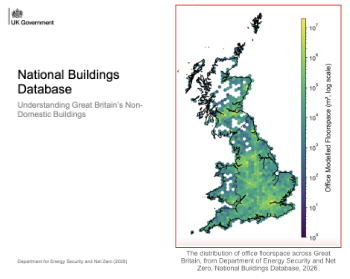
New UK National Buildings Database.
Building Safety Wiki Interviews

Chief executive of the British Woodworking Federation.
Planning condition discharge in England and Wales

A brief explanation from a building compliance expert, with further links.
Overheating guidance and tools for building designers

Guidance for dealing with element of building fabric control that have increasing importance.
Shading for housing, a design guide

From the Good Homes Alliance and British Blind and Shutter Association.
UK Standard Skills Classification (SSC)

A shared framework for describing skills needs.
Social media ban consultation comes to close

CIOB urges UK Government to consider social media’s role in careers guidance in ban debate.
The latest of eight Skills England apprenticeship units

The addition of battery manufacturing welcomed by ECA with a warning about the risks of fast-tracked apprenticeship units.
Building Control Independent Panel final report
A precis of a key report led by Dame Hackitt with full recommendations and link to the government response.