





Fire Weather Index FWI
The Fire Weather Index (FWI) is worldwide index used to estimate fire danger risk. It is meteorologically based and consists of different elements that take account of the effects of fuel moisture and wind on the behaviour and spread of fire. The higher the FWI, the higher the risk - or the more favourable meteorological conditions are to trigger a wildfire.
This indicator can help shape long-term tourism strategies and future investments under a changing climate.
| MAIN VARIABLES | ||
| NAME | UNITS | DESCRIPTION |
| Daily fire weather index | Dimensionless | The fire weather index values at a daily temporal resolution for the selected year. The higher the index value, the more favourable the meteorological conditions to trigger a wildfire are. |
| Number of days with high fire danger | Count | Number of days per year with a fire weather index greater than 30 based upon the European Forest Fire Information System (EFFIS) classification. |
| Number of days with moderate fire danger | Count | The number of days per year with a daily fire weather index greater than 15 based upon the European Forest Fire Information System (EFFIS) classification. |
| Number of days with very high fire danger | Count | Number of days per year with a fire weather index greater than 45 based upon the European Forest Fire Information System (EFFIS) classification. |
| Seasonal fire weather index | Dimensionless | The mean fire weather index value over the European fire season (June-September). This is calculated as the sum of the daily fire weather index over the European fire season divided by the total number of days within this date range. The higher the index value, the more favourable the meteorological conditions to trigger a wildfire are. |
Source : https://climate.copernicus.eu/fire-weather-index
[edit] Related articles on Designing Buildings
Featured articles and news
New Scottish and Welsh governments
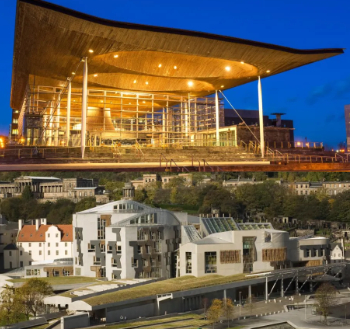
CIOB stresses importance of construction after new parliament elections.
The sad story of Derby Hippodrome
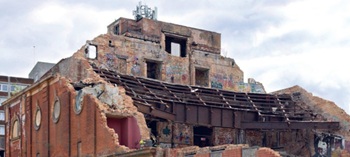
An historic building left to decay.

ECA, JIB and JTL back Fabian Society call to invest in skills for a stronger built environment workforce.
Women's Contributions to the Built Environment.
Calls for the delayed Circular Economy Strategy

Over 50 leading businesses, trade associations and professional bodies, including CIAT, and UKGBC sign open letter.
The future workforce: culture change and skill

Under the spotlight at UK Construction Week London.
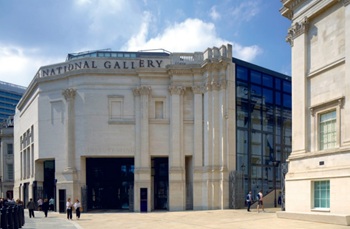
A landmark moment for postmodern heritage.
A safe energy transition – ECA launches a new Charter
Practical policy actions to speed up low carbon adoption while maintaining installation safety and competency.
Frank Duffy: Researcher and Practitioner
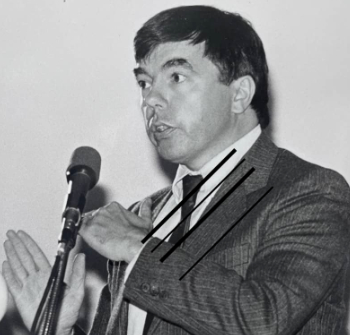
Reflections on achievements and relevance to the wider research and practice communities.
The 2026 Compliance Landscape: Fire doors

Why 'Business as Usual' is a Liability.
Cutting construction carbon footprint by caring for soil

Is construction neglecting one of the planet’s most powerful carbon stores and one of our greatest natural climate allies.
ARCHITECTURE: How's it progressing?
Archiblogger posing questions of a historical and contextual nature.
The roofscape of Hampstead Garden Suburb
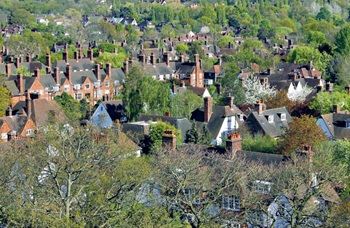
Residents, architects and roofers need to understand detailing.
Homes, landlords. tenants and the new housing standards
What will it all mean?