





Demystifying design processes of architectural details
To help develop this article, click 'Edit this article' above.
Contents |
[edit] Introduction
The design process can refer to an activity with series of distinctive and instinctive tasks involving the progression of creative thinking. During the different stages of the design processes, innate and impulsive skills may be used as well as conscious and voluntary decisions.
Detail design is the systematic process of producing illustrative information, solutions and methods to problems in an effort to translate conceptual design into a buildable, physical form.
[edit] Creativity in detailing
Due to the numerous choices of materials and construction approaches, detailing can be looked upon as a design process. The complexity of selections and installations make it appear as more of a thoughtful procedure rather than an instructional one.
Additionally, building performance requirements make it even more complicated to design an architectural detail. Fire prevention measures, thermal characteristics, lighting demands and many other requirements compel the designer to be more precise and consider more options to achieve optimal goals.
[edit] Creativity or process?
Detailing is related to the selected types of materials and technologies available. It is also connected to the extent to which items can be integrated and connected to produce the desired overall results.
When developing a design detail, it is normal to consider past design solutions for a particular aspect. Overlooking past solutions can unnecessarily waste time and resources. Criticisms of formerly designed details may help to shape new details in a way that can improve functionality and practicality.
[edit] Related articles on Designing Buildings Wiki
Featured articles
Check out some of the best features and news from Designing Buildings as well as key stories from around the web.

Dutyholder responsibilities from 1 July 2026.
Where performance meets practice

The Building Envelope Stage at UKCW Birmingham.

CIAT publishes briefing on planning reforms.
Leaders in Learning for Practice Network

Call for conservation leaders in learning to register interest in new network.
The importance of early engagement

Construction lessons from the Trillium HealthWorks Experience Centre.
Mayors are to be given planning call in powers

Mayors across England will be able to make the most important planning decisions.
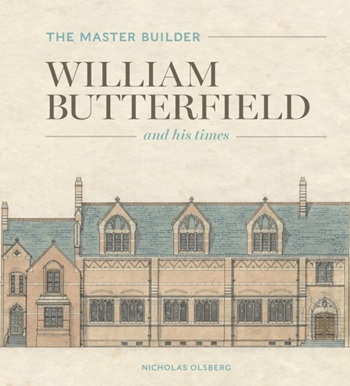
The Master Builder: William Butterfield and his times. Book review.

Why construction can't afford to ignore the skills gap.
Building Safety Regulator, 19 August

Gill Kernick appointed Independent Chair of Residents’ Panel.
Connecting knowledge, technology and conservation
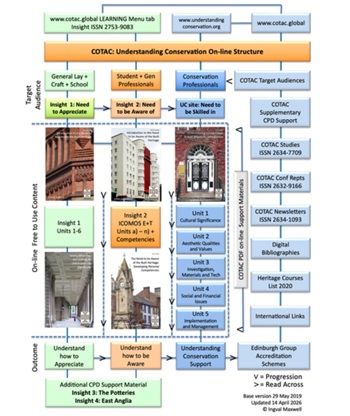
Building competence for the future of built heritage.
Building Regulations and Building Safety Act

CIOB publishes free advice for non-domestic clients.

Building Safety Newsletter from MHCLG.