





Advantages of temporary buildings
To help develop this article, click 'Edit this article' above.
Temporary buildings are often pre-fabricated, portable buildings that are typically required for a very short time. The term 'temporary' refers to the amount of time they remain on any one site, the building itself may be re-used and can have a life span of up to 30 years.
Temporary buildings are often lightweight structures made up of modular components designed and created in factories and then assembled on site. Examples include grandstands, marquees, stages, and so on.
Planning permission is required if the building will be in position for more than 28 days. However, this is reduced to 14 days for some uses, and only certain temporary uses are permitted at all without planning permission. See Temporary use for more information.
Schedule 2 of the building regulations defines a temporary building as, ‘A building that is not intended to remain where it is erected for more than 28 days’. Temporary buildings may be exempt from some parts of the building regulations, see Building regulations exemption for temporary buildings for more information.
Temporary buildings have a number of advantages over conventional buildings. These benefits are listed below:
- Temporary buildings generally take less time to construct as they may not require foundations, and components can be quickly manufactured. After the modules are constructed and transported to the site from the factory, they can be assembled rapidly, sometimes within hours.
- They can be cheaper to construct and install.
- Flexibility - One of the benefits of modular buildings is that their configuration is easy to change.
- They are less affected by the weather because they are manufactured within the confines of factories.
- They may produce less waste because the same designs and parts can be used over and over again.
Featured articles and news
The future workforce: culture change and skill

Under the spotlight at UK Construction Week London.
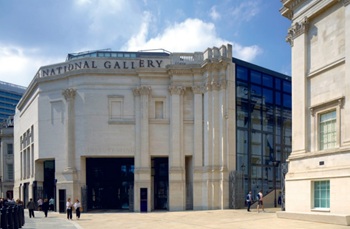
A landmark moment for postmodern heritage.
A safe energy transition – ECA launches a new Charter
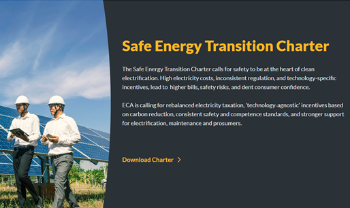
Practical policy actions to speed up low carbon adoption while maintaining installation safety and competency.
Frank Duffy: Researcher and Practitioner

Reflections on achievements and relevance to the wider research and practice communities.
The 2026 Compliance Landscape: Fire doors

Why 'Business as Usual' is a Liability.
Cutting construction carbon footprint by caring for soil

Is construction neglecting one of the planet’s most powerful carbon stores and one of our greatest natural climate allies.
ARCHITECTURE: How's it progressing?
Archiblogger posing questions of a historical and contextual nature.
The roofscape of Hampstead Garden Suburb
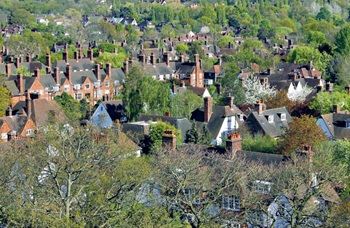
Residents, architects and roofers need to understand detailing.
Homes, landlords. tenants and the new housing standards
What will it all mean?
The Architectural Technology podcast: Where it's AT

Catch-up on the latest episodes.
Edmundson Apprentice of the Year award 2026
Entries now open for this Electrical Contractors' Association award.

Traditional blue-grey slate from one of the oldest and largest UK slate quarries down in Cornwall.

There are plenty of sources with the potential to be redeveloped.
Change of use legislation breaths new life into buildings

A run down on Class MA of the General Permitted Development Order.
Solar generation in the historic environment
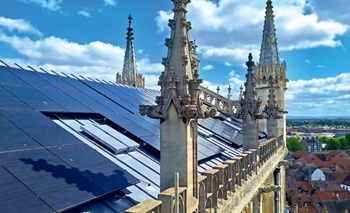
Success requires understanding each site in detail.