




ARCHIVE How to enter CIOB competition
THIS COMPETITION HAS CLOSED 
Contents |
Eligibility
- This competition is open to anyone over the age of 18. You do not have to be a member of The Chartered Institute of Building. You do not have to live in the UK.
- Your article must be on a subject related to one of the following areas:
- Your article must be based on UK practice and written in UK English.
- We recommend your article is between 500 and 4,000 words.
- Your article must be a new article on Designing Buildings Wiki.
- Your article must be your own work and free from any copyright restrictions (including images).
- You may submit up to three articles.
How to enter
- Register as a user on the site.
- Log-in (otherwise we won't know who wrote your article).
- Click on the link ‘Click HERE to create a new article’ that appears on every page and follow the two simple steps to create your article.
- Add your article to the ‘CIOB Competition’ category - just click on the tick box at the bottom of your article.
If you want to, you can create a 'page about me' that tells other people who you are and how to get in touch with you. If you don't create a 'page about me', you must leave 'Enable e-mail from other users' ticked on your 'my preferences' page, otherwise we will have no way of contacting you.
Writing style
- Choose an 'encyclopaedic' subject - something factual.
- Use a neutral writing style, never use the words ‘I’ or ‘we’. Treat your article as if it's for an encyclopaedia or Wikipedia. Have a look at our quick style guide for more information.
- Identify quotes clearly. Put a number in brackets after quotes (1) and then reference the sources at the end of the article (1) Ref...........
- We strongly recommend that you ask someone else to proof-read your article.
Using the text editor
- Keep your formatting simple. This is a website, not a full-on word processor. Stick to simple headings, plain text, bulleted lists and numbered lists.
- You can write your article in another application (such as Word) and paste it into the wiki, but make sure the formatting is very simple, or paste it as plain text (click on the 'paste as plain' text button) and then format it.
Judging
- Articles will be judged by representatives of Designing Buildings Wiki and The CIOB.
- Articles will be judged on:
- Accuracy and thoroughness of research.
- Usefulness to other people.
- Clarity of writing.
- Adoption of an encyclopaedic writing style.
- Compliance with the rules set out on this page and in the terms and conditions.
- The winner and commended entries will be announced in June 2013.
DEADLINE EXTENDED TO 5PM FRIDAY 3 MAY
Any enquiries should be emailed to [email protected].
IHBC NewsBlog
IHBC sponsors Gardens Trust event 23-4 Sept 2026
.jpeg)
'Learning from the Past, Shaping the Future’ takes place in Milton Keynes
Renovations to Frank Lloyd Wright's Fallingwater complete
.jpg)
World Heritage Preserved project opens house for tours again
Shakespeare Birthplace Trust places Hall's Croft on HAR Register
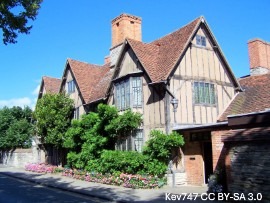
Stratford-upon-Avon home of Shakespeare's daughter is 'At Risk'
Lady Grange’s House repaired on St Kilda
.jpg)
National Trust for Scotland repairs stone cleit with link to famous island resident
Griff Rhys Jones on BBC Radio 4 Today programme
,_Green_Lane,_Derby.jpg)
The Victorian Society’s President unveiled its latest Top Ten Endangered Buildings 2026.
Need a MATE? Book your place now.
IHBC offers free webinars on applying for IHBC accreditation (Full & Associate).
UK Stained Glass Repository finds windows new homes
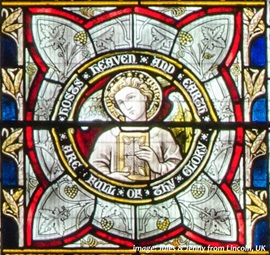
How are stained glass windows are rescued, stored and repurposed?
APPGEBE report sets high aims for quality
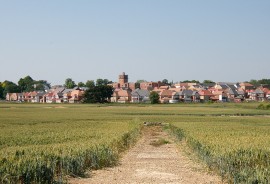
'Government must not sacrifice quality in drive to build 1.5m homes'
New measures protect Historic Shipwrecks from heritage crime

Underwater cultural heritage benefits from new HE guidance
How could the City of London skyline look in 6 years' time?

Visualisation shows approved planning applications as completed buildings
National Trust for Scotland calls for VAT cuts
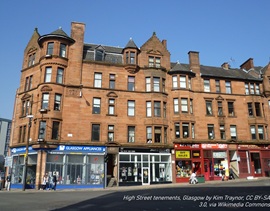
Heritage neglect is encouraged by current policies
IHBC's 'Context' Issue 186 features Industrial Heritage
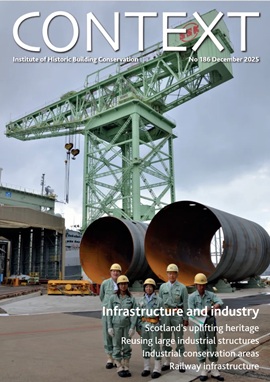
IHBC's members' journal reports on the challenges of conserving infrastructure
Book now for IHBC Annual School 2026
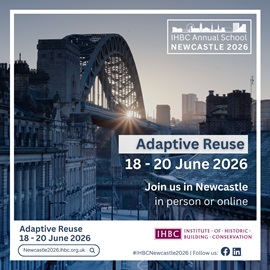
IHBC Annual School is taking place 18-20 June 2026 in Newcastle
RICHeS Research Infrastructure offers ‘Full Access Fund Call’
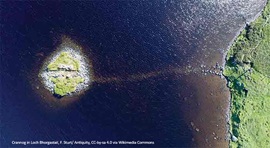
RICHeS offers a ‘Help’ webinar on 11 March
Latest IHBC Issue of Context features Roofing
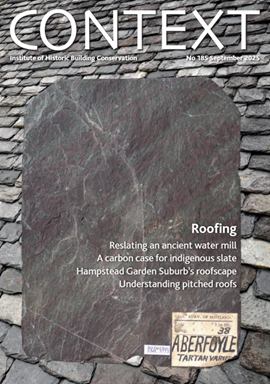
Articles range from slate to pitched roofs, and carbon impact to solar generation to roofscapes
Three reasons not to demolish Edinburgh’s Argyle House

Should 'Edinburgh's ugliest building' be saved?
IHBC’s 2025 Parliamentary Briefing...from Crafts in Crisis to Rubbish Retrofit
IHBC launches research-led ‘5 Commitments to Help Heritage Skills in Conservation’
How RDSAP 10.2 impacts EPC assessments in traditional buildings

Energy performance certificates (EPCs) tell us how energy efficient our buildings are, but the way these certificates are generated has changed.