





Stacking diagram

A stacking diagram is a graphic representation of the total amount of area taken up by all the spaces on the floors of a building, arranged in layers floor-by-floor. Stacking diagrams can be either two- or three-dimensional and are often colour-coded to represent specific details, such as, in the case of a diagram of a residential building, the terms of the lease, occupancy rate, lease expiry, and so on.
On large or complex projects, stacking diagrams can form part of feasibility studies, used to assess the possible juxtaposition of accommodation and helping balance the allocation of spaces between several floors.
[edit] Find out more
[edit] Related articles on Designing Buildings Wiki
Featured articles
Check out some of the best features and news from Designing Buildings as well as key stories from around the web.

The Master Builder: William Butterfield and his times. Book review.
Why construction can't afford to ignore the skills gap.
Building Safety Regulator, 19 August

Gill Kernick appointed Independent Chair of Residents’ Panel.
Connecting knowledge, technology and conservation
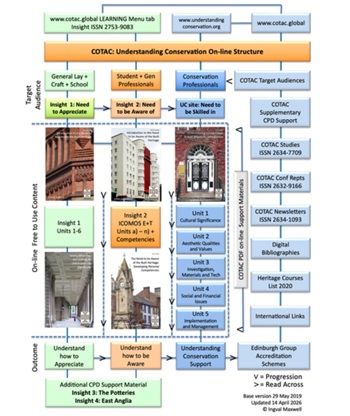
Building competence for the future of built heritage.
Building Regulations and Building Safety Act

CIOB publishes free advice for non-domestic clients.

Building Safety Newsletter from MHCLG.
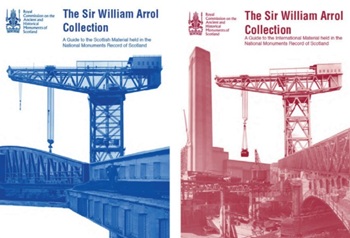
An extraordinary record of steel engineering worldwide.

Households living near new pylons to save on bills.

ECA warns growth must not outpace grid capacity or skills.
The role of the client and decision making

CIOB response to built environment professions call for evidence.
Construction's sustainability reporting revolution
Tracking upfront embodied carbon with digital tools.
ECA welcomes procurement reforms

Public spending must back British jobs and skills.