





About OffGridInverter
An off grid pv inverter is a power conversion device used in renewable energy systems that operate independently of the utility grid.
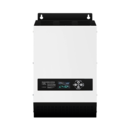
An off-grid inverter, also known as a standalone or independent inverter, is a crucial device in off-grid electrical systems, particularly in locations without access to a traditional power grid. It converts direct current (DC) from renewable energy sources like solar panels or wind turbines into alternating current (AC), which is used by most household appliances and devices.
Off-grid inverters are essential for ensuring a stable and reliable power supply in remote areas, during power outages, and in mobile applications such as RVs and boats. They often come with advanced features like battery management, which prevents overcharging and over-discharging, thus prolonging battery life. Some models also include an automatic generator starter module for backup power.
There are different types of off-grid inverters, including pure sine wave inverters, which provide a stable and clean power supply suitable for sensitive electronics, and modified sine wave inverters, which are more affordable but may not be compatible with all devices. Multi-mode inverters offer the flexibility to switch between off-grid and grid-connected modes.
Off-grid inverters provide numerous benefits, such as energy independence, reduced reliance on fossil fuels, and lower long-term energy costs. They are also environmentally friendly, contributing to reduced carbon emissions. These inverters are used in a variety of applications, including residential, commercial, agricultural, and recreational settings.
Featured articles
Check out some of the best features and news from Designing Buildings as well as key stories from around the web.
Listed structures on the rail network
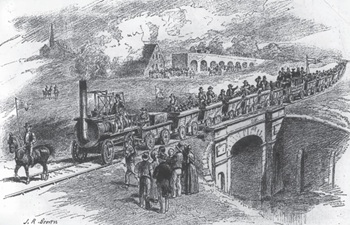
Heritage interests and operational requirements must be balanced.
Historic England publishes research into embodied carbon when retrofitting traditional buildings.

New Prime Minister delivers on ECA call for cut in electricity costs.

CIOB reacts to the announcement of Andy Burnham as Prime Minister.

Heritage and conservation science workforce survey - Have your say.
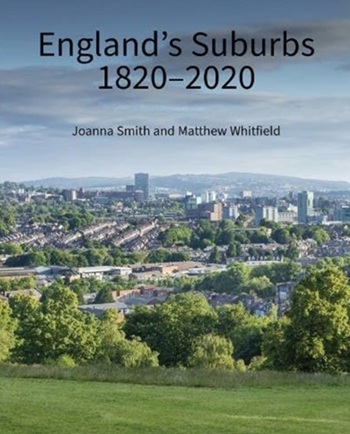
England's Suburbs 1820-2020. Book review.

New, more proportionate and targeted approach for higher-risk building assessments.
Government brings British Steel into public ownership.

UKCW Birmingham returns with bold new theme and focus.
New guidance published on competence requirements for self-certification schemes.
Construction Management, 8 July
NEETs crisis drives interest in trades, but apprenticeships barriers remain.
Passive fire protection webinar
MEP services penetration seals.