





About ATOAirQualityMonitor
The air quality monitor is used to detect formaldehyde (HCHO), PM2.5, TVOC and temperature and humidity in real time.
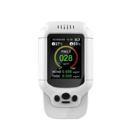
The ATO Air Quality Monitor is a versatile and reliable device designed to provide real-time air quality data. It is capable of detecting a wide range of pollutants, including formaldehyde (HCHO), total volatile organic compounds (TVOC), particulate matter (PM2.5, PM1.0, PM10), carbon dioxide (CO2), temperature, and humidity.
This monitor utilizes advanced sensor technology to ensure accurate measurements. For instance, it employs a high-sensitivity electrochemical sensor for formaldehyde detection and a high-precision laser sensor for PM2.5. The device also features an infrared sensor for CO2 measurement. With a sampling frequency of 1.5 seconds, it provides constantly updated readings.
The monitor is equipped with a digital LCD display that clearly shows the levels of various pollutants. It also has an alarm function that alerts users when pollutant levels exceed safe thresholds. The device is compact, lightweight, and easy to use, making it suitable for home, office, or car use. It is powered by a rechargeable lithium battery and can be charged via a micro USB port.
To ensure accurate results, the monitor should be calibrated outdoors before initial use. It is also important to avoid covering the air intake areas and to keep the device away from strong winds, chemicals, and liquids.
Featured articles
Check out some of the best features and news from Designing Buildings as well as key stories from around the web.
Listed structures on the rail network
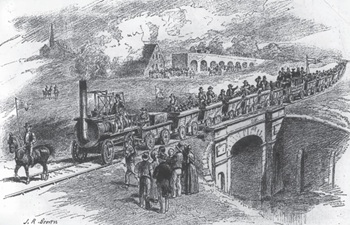
Heritage interests and operational requirements must be balanced.
Historic England publishes research into embodied carbon when retrofitting traditional buildings.

New Prime Minister delivers on ECA call for cut in electricity costs.

CIOB reacts to the announcement of Andy Burnham as Prime Minister.

Heritage and conservation science workforce survey - Have your say.

England's Suburbs 1820-2020. Book review.

New, more proportionate and targeted approach for higher-risk building assessments.

Government brings British Steel into public ownership.

UKCW Birmingham returns with bold new theme and focus.

New guidance published on competence requirements for self-certification schemes.
Construction Management, 8 July

NEETs crisis drives interest in trades, but apprenticeships barriers remain.
Passive fire protection webinar
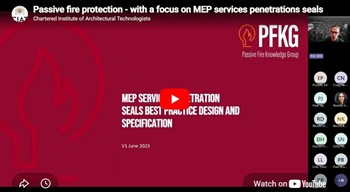
MEP services penetration seals.