





About Velux Loft Conversion
Transform Your Home with a VELUX Loft Conversion
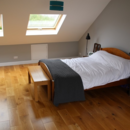
Have you ever looked up into your attic and thought, "What a waste of space"? Well, you're not alone. Many homeowners are turning their dark, dusty lofts into bright, comfortable living spaces. Among the most popular options to achieve this transformation is a VELUX loft conversion. In this blog post, we'll take a deep dive into what exactly a VELUX loft conversion involves, why it might be the perfect option for your home, and how to get started on this exciting project.
Contents |
[edit] What is a VELUX Loft Conversion?
At its core, a VELUX loft conversion is a way of transforming an unused attic space into a habitable room, such as a bedroom, office, or playroom, by incorporating VELUX roof windows. These windows are designed to fit seamlessly into the slope of your roof, flooding your new space with natural light and providing ventilation.
[edit] Benefits of Opting for VELUX Windows
- Natural Light and Ventilation: The primary advantage of VELUX windows is the abundance of natural light and fresh air they bring into your home.
- Energy Efficiency: These windows are designed to be energy-efficient, helping to keep your loft conversion warm in the winter and cool in the summer.
- Variety of Designs: VELUX offers a wide range of window designs and sizes to fit your specific needs and preferences.
[edit] Planning Your VELUX Loft Conversion
Before you start dreaming of your new space, there are a few crucial steps to consider.
[edit] Assessing Your Loft Space
First, you need to determine if your loft is suitable for conversion. Important factors include the height of the loft, the pitch of the roof, and the structure of the roof. It's often a good idea to consult with a professional to assess the feasibility of your project.
[edit] Understanding the Regulations
Loft conversions generally require planning permission, especially if you're altering the shape of the roof. However, VELUX conversions are often considered permitted development, meaning they don’t usually need planning permission. You will still need to comply with building regulations to ensure the space is safe and habitable.
[edit] Choosing the Right Windows
The type and size of VELUX windows you choose will significantly affect the look and feel of your new space. Consider factors like the direction your windows will face, the slope of your roof, and how you plan to use the room to make the best choice.
[edit] The Conversion Process
Turning your dusty attic into a bright and airy room involves several key steps.
[edit] Design and Planning
Working with an architect or a specialist loft conversion company can help you design a space that maximizes light, space, and functionality. This is also the time to decide where to place your VELUX windows for the best effect.
Featured articles and news
Cyber Security in the Built Environment
Protecting projects, data, and digital assets: A CIOB Academy TIS.
The UK's campaign to reduce noise pollution: Mythbusting, articles and topic guides.
Setting Expectations on Competence Management
Industry Competence Committee.
New Scottish and Welsh governments

CIOB stresses importance of construction after new parliament elections.
The sad story of Derby Hippodrome
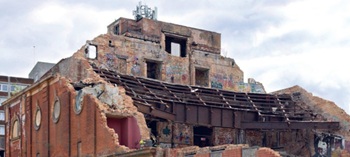
An historic building left to decay.

ECA, JIB and JTL back Fabian Society call to invest in skills for a stronger built environment workforce.

Women's Contributions to the Built Environment.
Calls for the delayed Circular Economy Strategy

Over 50 leading businesses, trade associations and professional bodies, including CIAT, and UKGBC sign open letter.
The future workforce: culture change and skill

Under the spotlight at UK Construction Week London.
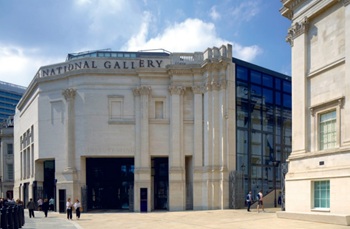
A landmark moment for postmodern heritage.
A safe energy transition – ECA launches a new Charter
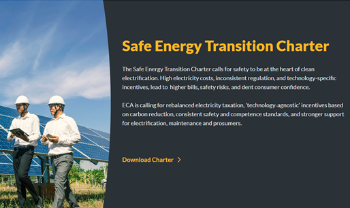
Practical policy actions to speed up low carbon adoption while maintaining installation safety and competency.
Frank Duffy: Researcher and Practitioner

Reflections on achievements and relevance to the wider research and practice communities.
The 2026 Compliance Landscape: Fire doors

Why 'Business as Usual' is a Liability.
Cutting construction carbon footprint by caring for soil

Is construction neglecting one of the planet’s most powerful carbon stores and one of our greatest natural climate allies.
ARCHITECTURE: How's it progressing?

Archiblogger posing questions of a historical and contextual nature.