




Dubbing-out
Dubbing-out is a technique used in building conservation, particularly in the repair of historic masonry and plasterwork. It involves the application of one or more preparatory layers of mortar to fill deep voids, irregularities, or damaged areas before applying the final coat. This method ensures a stable and even surface while maintaining the structural and aesthetic integrity of the original material.
The process is especially important when working with traditional lime-based mortars, which require careful layering to prevent shrinkage and cracking. By building up the missing material gradually, dubbing-out allows for a more compatible repair that blends seamlessly with the existing fabric of the building. This approach helps maintain breathability, which is essential for moisture regulation in historic structures.
One of the key benefits of dubbing-out is its ability to support and reinforce delicate or weakened areas. In cases where masonry has suffered from erosion, impact damage, or previous inappropriate repairs, it provides a sympathetic and non-invasive solution. It ensures that the final coat of plaster or render adheres properly and functions effectively without causing undue stress on the underlying structure.
Dubbing-out also allows conservators to reshape lost details and ensure smooth transitions between old and new materials. The careful application of mortar in layers prevents abrupt changes in texture or depth, preserving the craftsmanship and character of historic façades.
As with all conservation techniques, the success of dubbing-out depends on the use of appropriate materials and skilled craftsmanship. Traditional lime mortars, mixed to match the original composition, are preferred over modern cement-based alternatives, which can trap moisture and lead to further deterioration. By applying the technique with care and precision, conservators can help extend the lifespan of historic buildings while respecting their original construction methods and materials.
[edit] Related articles on Designing Buildings.
IHBC NewsBlog
IHBC sponsors Gardens Trust event 23-4 Sept 2026
.jpeg)
'Learning from the Past, Shaping the Future’ takes place in Milton Keynes
Renovations to Frank Lloyd Wright's Fallingwater complete
.jpg)
World Heritage Preserved project opens house for tours again
Shakespeare Birthplace Trust places Hall's Croft on HAR Register
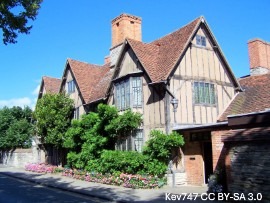
Stratford-upon-Avon home of Shakespeare's daughter is 'At Risk'
Lady Grange’s House repaired on St Kilda
.jpg)
National Trust for Scotland repairs stone cleit with link to famous island resident
Griff Rhys Jones on BBC Radio 4 Today programme
,_Green_Lane,_Derby.jpg)
The Victorian Society’s President unveiled its latest Top Ten Endangered Buildings 2026.
Need a MATE? Book your place now.

IHBC offers free webinars on applying for IHBC accreditation (Full & Associate).
UK Stained Glass Repository finds windows new homes
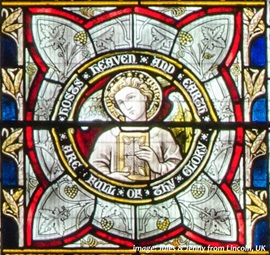
How are stained glass windows are rescued, stored and repurposed?
APPGEBE report sets high aims for quality
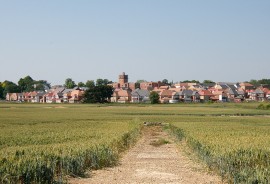
'Government must not sacrifice quality in drive to build 1.5m homes'
New measures protect Historic Shipwrecks from heritage crime

Underwater cultural heritage benefits from new HE guidance
How could the City of London skyline look in 6 years' time?

Visualisation shows approved planning applications as completed buildings
National Trust for Scotland calls for VAT cuts

Heritage neglect is encouraged by current policies
IHBC's 'Context' Issue 186 features Industrial Heritage
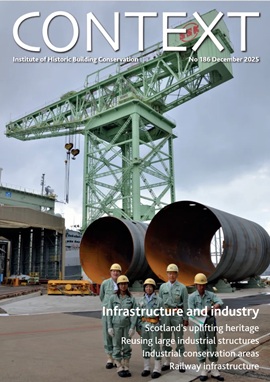
IHBC's members' journal reports on the challenges of conserving infrastructure
Book now for IHBC Annual School 2026
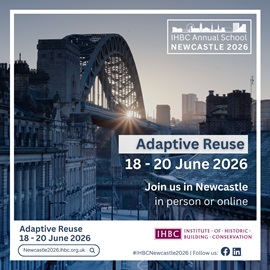
IHBC Annual School is taking place 18-20 June 2026 in Newcastle
RICHeS Research Infrastructure offers ‘Full Access Fund Call’

RICHeS offers a ‘Help’ webinar on 11 March
Latest IHBC Issue of Context features Roofing
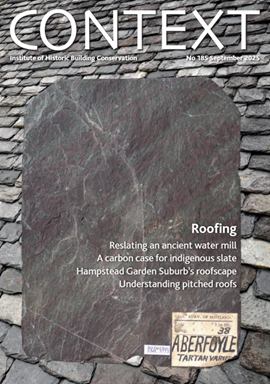
Articles range from slate to pitched roofs, and carbon impact to solar generation to roofscapes
Three reasons not to demolish Edinburgh’s Argyle House

Should 'Edinburgh's ugliest building' be saved?
IHBC’s 2025 Parliamentary Briefing...from Crafts in Crisis to Rubbish Retrofit
IHBC launches research-led ‘5 Commitments to Help Heritage Skills in Conservation’
How RDSAP 10.2 impacts EPC assessments in traditional buildings

Energy performance certificates (EPCs) tell us how energy efficient our buildings are, but the way these certificates are generated has changed.