




Pestle analysis
PESTLE is list of areas that can be analysed to help assess the position of a business in relation to external factors. These are factors that may have implications on its trading abilities in both the long and short term.
A PESTLE analysis can form part of a risk management strategy. When a PESTLE analysis is undertaken by a business, a short report is generally prepared highlighting any possible implications on future trading potential, setting out both opportunities and threats.
The acronym PESTLE stands for:
- Political: For example, a change in government is likely to have an effect on the construction sector.
- Environmental: Such as the impact of a government target to cut emissions.
- Social: An ageing population and an increase in requirements for single person homes may impact on the types of buildings required.
- Technological: Advances in broadband technology, or the adoption of BIM may change the ways we work.
- Legal: Planning legislation, building regulations, case law and so on.
- Economic: Government spending has historically been used to regulate the economy, with significant impacts on construction.
This is a variation on PEST analysis which is restricted to Political, Economic, Social, and Technological influences.
[edit] Find out more
[edit] Related articles on Designing Buildings Wiki
Featured articles
Check out some of the best features and news from Designing Buildings as well as key stories from around the web.

Dorset's first conservation campaigner?
Gov.uk - Hot-rolled steel plate

New anti-dumping measure imposed on South Korea.
ECA responds to the Milburn Report

Youth employment to be linked to workforce demand.
The construction industry urgently needs to attract new talent
CIOB responds to Neets report.
Grenfell Tower community update

Memorial columns to be retained as careful dismantling continues.

When buildings reflected the local resources available.

CIOB reports 57% are using artificial intelligence technologies.

More of England’s ‘hidden heroes’ will be celebrated.

CIAT calls for retrofit to be a priority.
Version 6 is now available, along with guidance for ECA members.
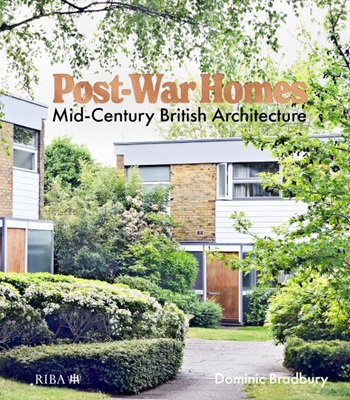
Post-War Homes: mid-century British architecture. Book review.

CIAT reflects on the party conferences.