




National Scenic Area NSA

The Three Sisters of Glen Coe, Scotland.
Contents |
[edit] Introduction
In Scotland, a National Scenic Area (NSA) is a part of the countryside with high scenic value of national importance and interest that has statutory protection to conserve and enhance the natural beauty of its landscape.
National Scenic Areas (NSAs) include:
- Mountain ranges.
- Islands.
- Diverse landscapes.
There are currently 40 designated National Scenic Areas in Scotland (or approximately 13% of the country’s land area) primarily located in remote parts of the country, however, the NSA label is not widely known - even in Scotland - when compared to similar conservation designations.
[edit] History
NSAs are administered by Scottish Natural Heritage. They were originally managed by the Countryside Commission for Scotland.
NSAs are considered the Scottish counterpart to the Areas of Outstanding Natural Beauty (AONBs) designation used in England, Wales and Northern Ireland. There are currently (2020) 46 Areas of Outstanding Natural Beauty, with 33 wholly in England, four in Wales, one which crosses the English/Welsh border and eight in Northern Ireland (ref. National Association Areas of Outstanding Natural Beauty).
While AONBs were eventually designated under the National Parks and Access to the Countryside Act 1949, no such arrangement was made for scenic areas in Scotland. A separate designation was first introduced as national park protection areas. These proposed areas included Loch Lomond & the Trossachs, the Cairngorms, Glen Coe-Ben Nevis-Black Mount, Wester Ross and Glen Strathfarrar-Glen Affric-Glen Cannich). National park protection areas were renamed National Scenic Areas in 1980.
The NSA designation is not the same as 'national parks', although one place can be given both designations. National parks are recognised under the National Parks (Scotland) Act 2000.
[edit] Related articles on Designing Buildings Wiki
- Areas of Outstanding Natural Beauty AONB
- Conservation area.
- Designated sites.
- National nature reserves.
- National parks.
- Natural resource.
- Scottish Natural Heritage.
- Special areas of conservation.
- Special protection areas.
[edit] External resources
IHBC NewsBlog
IHBC sponsors Gardens Trust event 23-4 Sept 2026
.jpeg)
'Learning from the Past, Shaping the Future’ takes place in Milton Keynes
Renovations to Frank Lloyd Wright's Fallingwater complete
.jpg)
World Heritage Preserved project opens house for tours again
Shakespeare Birthplace Trust places Hall's Croft on HAR Register
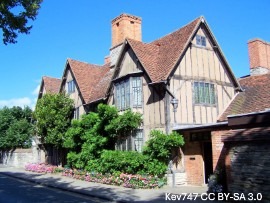
Stratford-upon-Avon home of Shakespeare's daughter is 'At Risk'
Lady Grange’s House repaired on St Kilda
.jpg)
National Trust for Scotland repairs stone cleit with link to famous island resident
Griff Rhys Jones on BBC Radio 4 Today programme
,_Green_Lane,_Derby.jpg)
The Victorian Society’s President unveiled its latest Top Ten Endangered Buildings 2026.
Need a MATE? Book your place now.
IHBC offers free webinars on applying for IHBC accreditation (Full & Associate).
UK Stained Glass Repository finds windows new homes
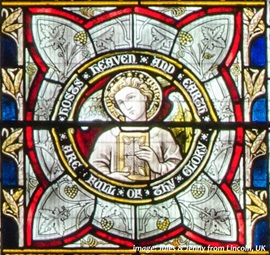
How are stained glass windows are rescued, stored and repurposed?
APPGEBE report sets high aims for quality
'Government must not sacrifice quality in drive to build 1.5m homes'
New measures protect Historic Shipwrecks from heritage crime

Underwater cultural heritage benefits from new HE guidance
How could the City of London skyline look in 6 years' time?

Visualisation shows approved planning applications as completed buildings
National Trust for Scotland calls for VAT cuts
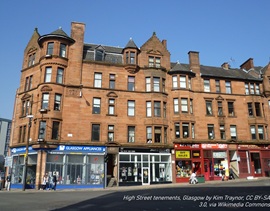
Heritage neglect is encouraged by current policies
IHBC's 'Context' Issue 186 features Industrial Heritage
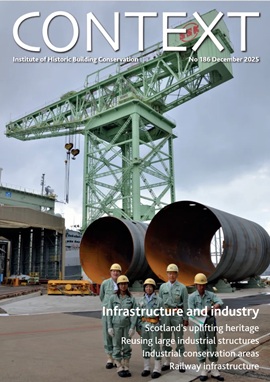
IHBC's members' journal reports on the challenges of conserving infrastructure
Book now for IHBC Annual School 2026

IHBC Annual School is taking place 18-20 June 2026 in Newcastle
RICHeS Research Infrastructure offers ‘Full Access Fund Call’
RICHeS offers a ‘Help’ webinar on 11 March
Latest IHBC Issue of Context features Roofing
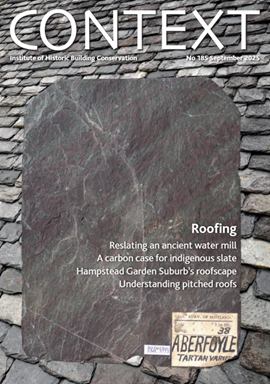
Articles range from slate to pitched roofs, and carbon impact to solar generation to roofscapes
Three reasons not to demolish Edinburgh’s Argyle House

Should 'Edinburgh's ugliest building' be saved?
IHBC’s 2025 Parliamentary Briefing...from Crafts in Crisis to Rubbish Retrofit
IHBC launches research-led ‘5 Commitments to Help Heritage Skills in Conservation’
How RDSAP 10.2 impacts EPC assessments in traditional buildings

Energy performance certificates (EPCs) tell us how energy efficient our buildings are, but the way these certificates are generated has changed.