





About Caissonstudio
Explore how Caisson Studios brings meaning and elegance to retail interiors. Retail Interior Designer Los Angeles .
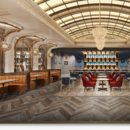
Retail Interior Designer Los Angeles
Designing a retail space in Los Angeles requires more than just good taste it demands a deep understanding of how people move, interact, and connect. For anyone searching for a Retail Interior Designer Los Angeles has become a hub of innovation, where functionality meets creativity in ways that leave a lasting impression.
Retail Spaces: The New Brand Immersion
Successful retail interiors don’t just showcase products; rather, they immerse customers within the identity of the brand. The place where we shop today is a setting, which has become more focused as stylists and interior designers work together to create an emotional connection with us. In a city that’s simply too big and noisy, a connection is made. Designers here welcome that challenge. From Melrose boutiques to high-end showrooms on Robertson, every inch is designed with strategic thought where every show, seating, and aisle shapes the customer experience. Retailers looking for an advantage are turning to design studios that understand this nuance, approaching the process with clarity, collaboration, and emotional intelligence. That is why an increasing number of brands in LA are rethinking their interiors not as expenses but as investments in identity and customer loyalty.
What Modern Retail Clients Are Looking For
Retail clients in Los Angeles are more sophisticated than ever. They’re seeking timelessness, yes—but also spaces that can adapt to trends and shifting customer expectations.
Here’s what many retail brands prioritize:
- Modular displays that allow for seasonal updates
- Natural light or thoughtfully layered lighting solutions
- Smart layout flow that encourages browsing
- Sustainable materials that reflect conscious values
- Local artisan pieces that add authenticity
All of this speaks to a larger wave in interior design: making places that not only sell, but feel human.
How Design Studios Shape Retail Innovation
Los Angeles is home to countless design studios but the most respected ones combine creative brilliance with grounded processes. They bring the structure of commercial design with the soul of residential style. Effective retail interiors are a blend of both worlds: practical enough for high-traffic use, yet inspiring enough to spark curiosity. The right design studio knows how to find that balance. These firms collaborate closely with architects, lighting specialists, brand consultants, and fabricators ensuring that every detail is intentional.
Behind the Scenes of a Retail Design Project
While each retail interior has its own personality, the creative process behind it often follows a familiar path. Here’s a look at how many Los Angeles designers approach retail projects:
Vision Discovery
A deep dive into brand goals, customer profile, and functionality. Understanding not just how the space looks, but how it works.
Concept Development
Material boards, spatial sketches, mood concepts, and style direction. Everything begins to take visual form.
Refinement Phase
Feedback is gathered, options are explored, and the final plan emerges. From custom fixtures to lighting strategy, the layers are defined.
Build & Installation
Trusted contractors bring the plan to life. Throughout, the designer ensures every element aligns with the brand and flows with the space.
Styling & Final Reveal
Once the structure is set, the finishing details are layered in. It’s not just about where the furniture goes—it’s about what emotion the space evokes.
A Unique Lens from Caisson Studios
Not every design firm brings the same level of sensitivity and strategy to retail work. Their strength is being able to translate a brand’s story into built form. Whether it’s an independent lifestyle shop or a national fashion concept, their interiors feel grounded, intuitive, and emotionally charged. Only a few studios in Los Angeles have mastered the blend of functionality and visual storytelling in such a distinct, elegant way.
Human-Centered Design That Works
Great design doesn’t feel designed it feels natural. That’s the beauty of truly human-centered retail spacesThe design has done its job if, when a customer walks into a store, he feels instantly at ease, intrigued, or inspired.
Los Angeles retailers these days are pushing past just the notion of aesthetics as decoration and are going toward design professionals who understand behavioral flow, emotional response, and the power of subtle influence.
Whether it’s an industrial-chic showroom in the Arts District or a sun-filled boutique in Venice, the story is always the same: spaces that serve people, not just product.
The Role of Function in Beautiful Design
In fast-paced commercial settings, form alone is never sufficiently productive. Every design decision must serve a purpose, guiding foot traffic or enhancing display visibility. Thoughtful planning is what makes the difference.
The best interiors aren’t just polished. They support sales, streamline operations, and make everyday functions feel seamless.
Circulation paths that guide customer movement
Display zones that highlight high-margin products
Back-of-house areas optimized for efficiency
Acoustics should be very good and make the shopping experience better
Lights should look good on both the product and people
This does not show but makes a nice store turn into a strong brand asset.
Why LA Is Showing the Future in Store Insides
No one can say that Los Angeles does not lead in design. From the film world's strong effect on sight to the trend of world fashion, design hopes keep being shaped by the city. The designers here experience a combination of cultures, aesthetics, and ideas. Such openness leads to retail interiors that feel bold yet remain approachable, appearing global but local, refined in other ways yet real. That energy is precisely what brings so many brands to LA when they reimagine their retail presence.
Design that Endures
Trends on the inside come and go, but the greatest shop insides are planned to change. Los Angeles customers are not only running after what is following they are putting money into places that stay. And that needs working with a friend who knows not only what is chic but what is wise. That is why groups like Caisson Studios are wanted: they construct with aim, not pride. Their retail interiors do not scream. They invite. Impressing does not mean being loud. It is by resonating with honesty, fluidity, and deep alignment with the brands they serve. They can expect concept development, collaborative; refinement, budgeting guidance, vendor coordination, and installation all to be managed by the design or studio.
Featured articles
Check out some of the best features and news from Designing Buildings as well as key stories from around the web.
Listed structures on the rail network
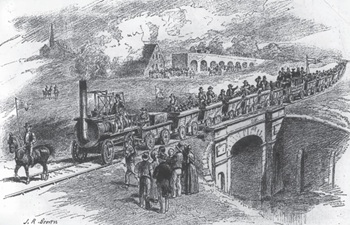
Heritage interests and operational requirements must be balanced.
Historic England publishes research into embodied carbon when retrofitting traditional buildings.

New Prime Minister delivers on ECA call for cut in electricity costs.

CIOB reacts to the announcement of Andy Burnham as Prime Minister.

Heritage and conservation science workforce survey - Have your say.

England's Suburbs 1820-2020. Book review.

New, more proportionate and targeted approach for higher-risk building assessments.

Government brings British Steel into public ownership.
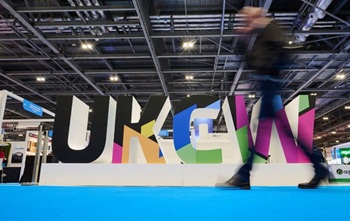
UKCW Birmingham returns with bold new theme and focus.
New guidance published on competence requirements for self-certification schemes.
Construction Management, 8 July
NEETs crisis drives interest in trades, but apprenticeships barriers remain.
Passive fire protection webinar

MEP services penetration seals.