




- Rain garden areas of about 10-20% of upstream impervious area are recommended. Optimum rain garden size is about 50 sq.m. draining 250 sq.m. of impervious area.
- Smaller, distributed rain gardens are better than single large scale facilities.
- Locate rain gardens a minimum 30.5 m from wells, 3 m downslope of building foundations, and only in areas where foundations have footing drains and are not above steep slopes.
- Provide pre-treatment and erosion control, i.e. grass filter strip to avoid introducing sediment into the garden.
- At point-source inlets, install non-erodable material, sediment cleanout basins, and weir flow spreaders.
- Bottom width - 600 mm (min.) to 3,000 mm (desirable). Length-width ratio of 2:1.
- Side slopes - 2:1 maximum, 4:1 preferred for maintenance. Maximum ponded level - 150 - 300 mm.
- Draw-down time for maximum ponded volume - 72 hours.
- Treatment soil depth - 450 mm (min.) to 1,200 mm (desirable); use soils with minimum infiltration rate of 13 mm/hr.
- Surface planting should be primarily trees, shrubs, and groundcovers, with planting designs respecting the various soil moisture conditions in the garden. Plantings may include rushes, sedges and grasses as well as lawn areas for erosion control and multiple uses.
- Apply a 50-75 mm layer of organic mulch for both erosion control and to maintain infiltration capacity.
- Install a non-erodible outlet or spillway to discharge overflow.
- Avoid utility or other crossings of the rain garden. Where utility trenches must be constructed below the garden, install trench dams to avoid infiltration water following the utility trench.
- Drain rock reservoir and perforated drain pipe may be avoided where infiltration tests by a design professional show a subsoil infiltration rate that exceeds the inflow rate.
- Allotments.
- Blue roof.
- Fountain.
- Green roof.
- Hydroponics.
- Landscape architect.
- Landscape design.
- Living facade.
- Passive water efficiency measures.
- Patio stone.
- Planting.
- Rainwater harvesting.
- Sewer construction.
- The benefits of urban trees.
- Sustainable Urban Drainage Systems.
- Water engineering.
Revision history of "Norman Fellows"
Diff selection: Mark the radio boxes of the revisions to compare and hit enter or the button at the bottom.
Legend: (cur) = difference with latest revision, (prev) = difference with preceding revision, m = minor edit.
Featured articles
Check out some of the best features and news from Designing Buildings as well as key stories from around the web.

CIAT reflects on the party conferences.
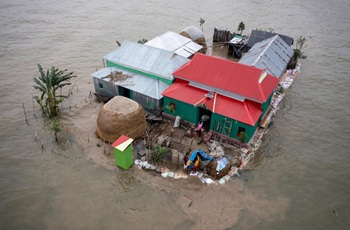
CIOB announce the winners of the Art of Building photography competition.

National Scheme of Delegation introduced.

The cost of employing people remains a concern.
Code of Practice for Electrical Energy Storage Systems.

ECA calls on members to comment on draft 4th edition.

Bringing together expertise and creating cultural benefits.

CIOB celebrates positive Ofsted report.

The Building Safety Regulator announces a call for evidence.

Government approach could undermine delivery and regeneration.
World's first mass timber data centre.

The overlooked environmental aspect of data centre development.
Introduction to radon awareness

New technical information sheet published by CIOB.

Updated supplier guide can help electrical contractors engage with NHP.