





Engineering drawing
An engineering drawing is a type of technical drawing used to define the requirements for engineering products or components. Typically, the purpose of an engineering drawing is to clearly and accurately capture all geometric features of a product or component so that a manufacturer or engineer can produce the required item. It may also describe the process of making the item, may be used to convey engineering ideas during the design process, or may provide a record of an existing item.
Rather than being an illustration, an engineering drawing is intended to describe the size and shape of an item and may provide information regarding acceptable variations, load limits, materials and any other information that can help give a complete understanding of an item.
Drawings can be created in Oblique and Isometric as well as 1st and 3rd projection.
It is usual for engineering drawings to include a series of projections showing different angles of the item, as well as sections, ‘exploded’ views and so on. Projections may create two dimensional or three dimensional representations of the item. See Projections for more information.
Increasingly, engineering drawings are prepared using computers that can also create files used to instruct machines how to manufacture the item. See computer aided design, computer aided manufacture and building information modelling for more information.
[edit] Related articles on Designing Buildings Wiki
Featured articles
Check out some of the best features and news from Designing Buildings as well as key stories from around the web.

CIAT publishes briefing on planning reforms.
Leaders in Learning for Practice Network

Call for conservation leaders in learning to register interest in new network.
The importance of early engagement

Construction lessons from the Trillium HealthWorks Experience Centre.
Mayors are to be given planning call in powers
Mayors across England will be able to make the most important planning decisions.
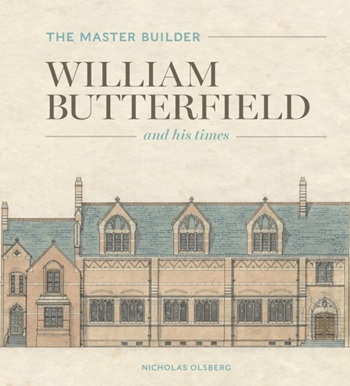
The Master Builder: William Butterfield and his times. Book review.
Why construction can't afford to ignore the skills gap.
Building Safety Regulator, 19 August

Gill Kernick appointed Independent Chair of Residents’ Panel.
Connecting knowledge, technology and conservation
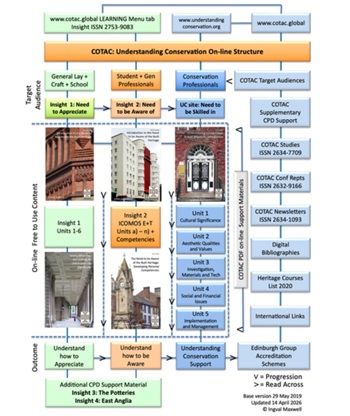
Building competence for the future of built heritage.
Building Regulations and Building Safety Act
CIOB publishes free advice for non-domestic clients.

Building Safety Newsletter from MHCLG.
An extraordinary record of steel engineering worldwide.

Households living near new pylons to save on bills.
Comments