






Conciliation in construction disputes
NB: ICE contracts have been withdrawn in favour of NEC contracts (Ref ICE) and the term ‘conciliation’ is gradually falling into disuse, regarded instead as a form of mediation.
Conciliation using the Institution of Civil Engineers’ Conciliation Procedure (1999) is a process that may be used at any time by agreement of parties who have contracted under the ICE family of contracts and associated subcontracts.
Once the parties have agreed to take part in the conciliation process, there is no right given under the ICE Procedure for a party to object to the appointed conciliator. Overall, the process set out in the Procedure gives very wide discretion to the conciliator as to how the conciliation is to be conducted; but, in practice, the process adopted is usually very similar to that for a typical mediation.
The principal difference between mediation and ICE conciliation arises when progress towards a settlement breaks down as, for example:
- when the conciliator is of the opinion that it is unlikely that a settlement will be achieved;
- a party fails to comply with some instruction of the conciliator; or
- either party indicates they do not wish to proceed towards a negotiated settlement.
In such circumstances the conciliator prepares a ‘recommendation’ which sets out their solution to the dispute. The various ICE contracts provide that if the conciliator makes a recommendation, and neither party dissents from that recommendation within one month of its issue by referring the dispute to adjudication or arbitration, then the recommendation becomes final and binding.
A similar situation applies when a dispute review board (sometimes referred to as a dispute resolution board DRB), appointed under the International Chamber of Commerce (ICC) Rules, issues a ‘recommendation’ with respect to any dispute referred to it. If no party expresses dissatisfaction with a recommendation within a stated time period, the parties contractually agree to comply with it.
If a party does express dissatisfaction with the recommendation within such time period, that party may submit the entire dispute to arbitration, if the parties have so agreed, or the courts. Pending a ruling by the arbitral tribunal or the court, the parties may voluntarily comply with the recommendation, but are not bound to do so.
This article was created by --University College of Estate Management (UCEM) 15:45, 11 December 2012 (UTC)
[edit] Related articles on Designing Buildings
- Alternative Dispute Resolution.
- Adjudication.
- Arbitration.
- Conciliator.
- Dispute resolution boards.
- How does arbitration work?
- Mediation.
- The role of the mediator.
[edit] External references
Featured articles and news
Costs and insolvencies mount for SMEs, despite growth

Construction sector under insolvency and wage bill pressure in part linked to National Insurance, says report.
The place for vitrified clay pipes in modern infrastructure
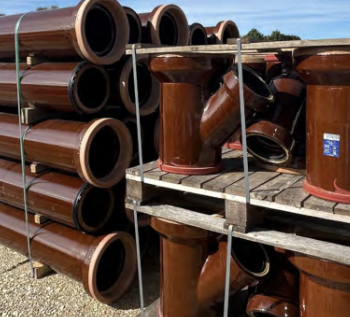
Why vitrified clay pipes are reclaiming their role in built projects.

Research by construction PR consultancy LMC published.
Roles and responsibilities of domestic clients
ACA Safety in Construction guide for domestic clients.
Fire door compliance in UK commercial buildings

Architect and manufacturer gives their low down.
Plumbing and heating for sustainability in new properties

Technical Engineer runs through changes in regulations, innovations in materials, and product systems.
Awareness of the Carbon Border Adjustment Mechanism
What CBAM is and what to do about it.
The new towns and strategic environmental assessments
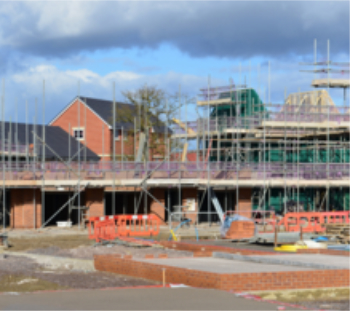
12 locations of the New Towns Taskforce reduced to 7 within the new towns draft programme and open consultation.
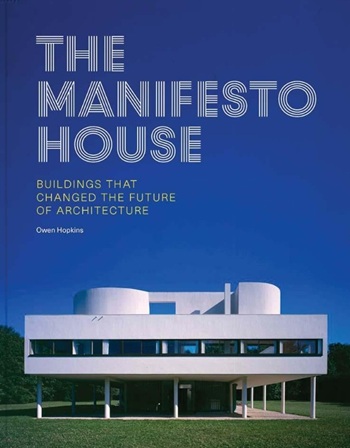
Buildings that changed the future of architecture. Book review.
The Sustainability Pathfinder© Handbook
Built environment agency launches free Pathfinder© tool to help businesses progress sustainability strategies.
Government outcome to the late payment consultation, ECA reacts.
IHBC 2025 Gus Astley Student Award winners

Work on the role of hewing in UK historic conservation a win for Jack Parker of Oxford Brookes University.
Future Homes Building Standards and plug-in solar
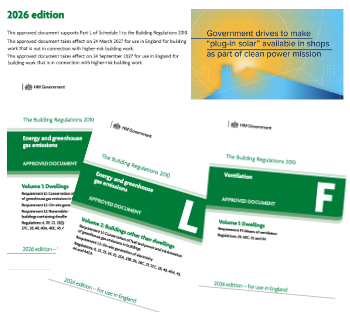
Parts F and L amendments, the availability of solar panels and industry responses.
How later living housing can help solve the housing crisis

Unlocking homes, unlocking lives.
Preparing safety case reports for HRBs under the BSA
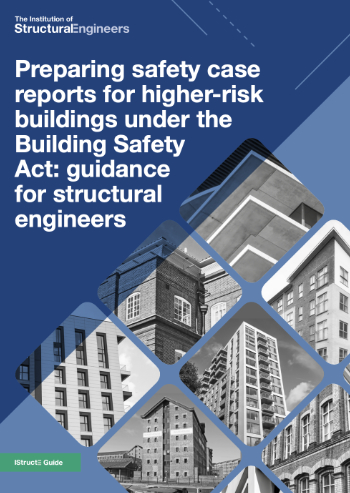
A new practical guide to preparing structural inputs for safety cases and safety case reports published by IStructE.
Male construction workers and prostate cancer

CIOB and Prostate Cancer UK encourage awareness of prostate cancer risks, and what to do about it.