





Planning authority
In England, the Ministry of Housing, Communities and Local Government (MHCLG) decides national planning policy and this is set out in the National Planning Policy Framework.
Responsibility for granting planning permission lies with local planning authorities, usually the planning department of the district or borough council (see local planning authority for more information). If planning permission is refused, the applicant may lodge an appeal which will then usually be decided by a planning inspector acting for the Secretary of State.
Local plans are prepared by district planning authorities (local planning authorities responsible for district matters). They set out a framework for the future development of an area, defining; the priorities for an area, strategic policies, the framework for neighbourhood plans, land allocations, infrastructure requirements housing needs, requirements for safeguarding the environment, measures for adapting to climate change and so on.
Neighbourhood planning was introduced by the Localism Act and was brought into effect by the Neighbourhood Planning (General) Regulations. It allows local communities to influence where new developments should take place, what new developments should look like and under certain circumstances to grant planning permission. Where there is a parish or town council, they can represent the local community. Where there is not, the local community may decide to be represented by an existing community group or to create a new community group.
[edit] Devolution
In Scotland, primary planning law is established by The Town and Country Planning Act (Scotland) Chapter 8 as amended by The Planning etc. (Scotland) Act. Local authorities and the national park authorities are responsibility for delivering planning services.
The Welsh government now has the power to create its own primary legislation. The local planning authorities are responsible for determining planning applications in their area.
In Northern Ireland, the primary planning legislation is The Planning (Northern Ireland) Order. Permissions are granted by the Department of the Environment Planning and Local Government Group following consultation with the district or borough council.
See Planning policy for more information.
[edit] Related articles on Designing Buildings Wiki
- Archaeological officer.
- Conservation officer.
- Development management.
- Duty to cooperate.
- Local government.
- Local plan.
- Local planning authority.
- Housing standards review.
- How long does it take to get planning permission.
- How long does planning permission last.
- National planning policy framework.
- Neighbourhood planning.
- Planning appeal.
- Planning enforcement.
- Planning legislation.
- Planning permission.
- Planning policy.
- Preferred options.
- Public authority.
- Public contracting authority.
- UK.
Featured articles and news
How much does it cost to build a house?

A brief run down of key considerations from a London based practice.
The need for a National construction careers campaign

Highlighted by CIOB to cut unemployment, reduce skills gap and deliver on housing and infrastructure ambitions.
AI-Driven automation; reducing time, enhancing compliance
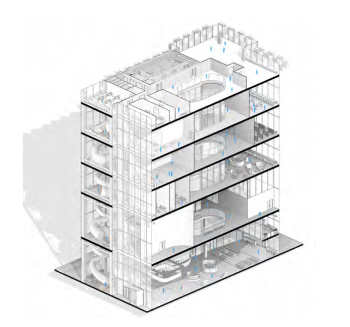
Sustainability; not just compliance but rethinking design, material selection, and the supply chains to support them.
Climate Resilience and Adaptation In the Built Environment
New CIOB Technical Information Sheet by Colin Booth, Professor of Smart and Sustainable Infrastructure.
Turning Enquiries into Profitable Construction Projects

Founder of Develop Coaching and author of Building Your Future; Greg Wilkes shares his insights.
IHBC Signpost: Poetry from concrete
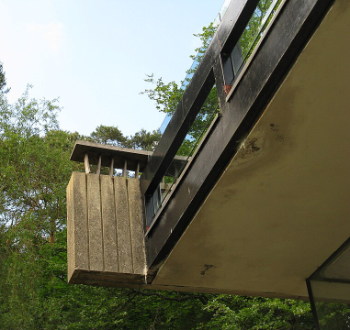
Scotland’s fascinating historic concrete and brutalist architecture with the Engine Shed.

Demonstrating that apprenticeships work for business, people and Scotland’s economy.
Scottish parents prioritise construction and apprenticeships

CIOB data released for Scottish Apprenticeship Week shows construction as top potential career path.

From a Green to a White Paper and the proposal of a General Safety Requirement for construction products.

Creativity, conservation and craft at Barley Studio. Book review.
The challenge as PFI agreements come to an end

How construction deals with inherited assets built under long-term contracts.
Skills plan for engineering and building services

Comprehensive industry report highlights persistent skills challenges across the sector.
Choosing the right design team for a D&B Contract

An architect explains the nature and needs of working within this common procurement route.
Statement from the Interim Chief Construction Advisor

Thouria Istephan; Architect and inquiry panel member outlines ongoing work, priorities and next steps.
The 2025 draft NPPF in brief with indicative responses
Local verses National and suitable verses sustainable: Consultation open for just over one week.
Increased vigilance on VAT Domestic Reverse Charge

HMRC bearing down with increasing force on construction consultant says.
Call for greater recognition of professional standards

Chartered bodies representing more than 1.5 million individuals have written to the UK Government.
Comments
To start a discussion about this article, click 'Add a comment' above and add your thoughts to this discussion page.