





Self-build home: Prepare for construction

Introduction.
This preparatory stage (sometimes called 'mobilisation') takes place after the contractor(s) has been appointed, but before they start work on site. It includes all the activities necessary to set up the site and organise the works. This helps avoid confusion, disputes, delays and safety problems and ensures that proper systems and facilities are in place.
Depending on the procurement route that has been adopted, some tasks carried out in this stage may be undertaken by the contractor(s), the self builder, consultants or the kit-house supplier.
NB Self-build clients are ‘domestic clients’ for the purposes of the Construction (Design and Management) Regulations (health and safety regulations generally referred to as the 'CDM Regulations'), and so the client's duties under the regulations will fall to the contractor on a project where there is only one contractor or to the principal contractor on a project where there is more than one contractor. However self-build clients can attract health and safety duties under Part 4 of the Regulations if they control the way in which construction work is carried out. See CDM for self-builders and domestic clients for more information.
Site set up.
- Ensure the site perimeter is secure.
- Ensure vehiclular access is fit for purpose with appropriate external signage to identify the site from the highway.
- If appropriate, prepare schedules of conditions and photographs of adjacent properties or structures that will be retained.
- Ensure suitable welfare facilities are in place for the workforce.
- Provide appropriate personal protective equipment (PPE) such as; steel toe-capped boots, hard hats, high visibility jackets, and safety glasses for direct employees and visitors.
- Provide a first aid box within a site office suitably sized for meetings, drawings and filing.
- Ensure there is a secure, dry and well-lit location for the storage of materials (say 20 sqm depending on the project). A second-hand container is ideal and can be sold back at the end of the project.
- Arrange for the provision of necessary water, power supplies, and IT services required for construction activities.
- Provide temporary power and water supplies adjacent to the building for construction work.
- Provide temporary lighting to the proposed building footprint and access routes.
- Establish waste disposal facilities.
- Select plant to be hired or purchased. This should be oversized to avoid breakdown costs. When negotiating hire periods add a 25% contingency to accommodate inevitable delays rather than facing extra costs for over-running.
- Obtain statutory utility drawings of existing and surrounding services.
- Carefully record the exact positions of all underground service runs and if practical install permanent markers for future reference.
- Protect the open ends of pipes with stop ends to prevent debris being encapsulated in the system.
- It is worth considering the hire or purchase of a van as there will be many occasions where time can be saved by collecting goods, equipment and materials rather than waiting for delivery.
- Commission any geotechnical survey work that is required.
- Appoint party wall surveyors if necessary.
- Arrange a pre-contract meeting with the main participants to discuss the procedures that will be adopted during the construction stage.
- Publish a master programme for the works.
- Establish a contract register scheduling; the contracts that have been placed, who signed them and when, what the value of the contract is and where it is stored. This can be crucial information if, for example, the contractor becomes insolvent and someone else has to take over.
- Comply with any statutory conditions that must be satisfied prior to construction commencing (such as tree protection, submission of contaminated soil disposal plans and so on).
- Notify the local authority (or approved inspector) of the intention to begin construction.
- The self builder should make sure available funding matches the cash-flow projection.
- Verify that appropriate insurance is in place, this may include; public liability insurance, contract works insurance and employer's liability insurance.
- It may be necessary to inform funders that construction is about to commence.
Featured articles and news
National Apprenticeship Week 2026, 9-15 Feb

Shining a light on the positive impacts for businesses their apprentices and the wider economy alike.
Applications and benefits of acoustic flooring

From commercial to retail.

From solid to sprung and ribbed to raised.
Strengthening industry collaboration in Hong Kong

Hong Kong Institute of Construction and The Chartered Institute of Building sign Memorandum of Understanding.

A detailed description fron the experts at Cornish Lime.
IHBC planning for growth with corporate plan development

Grow with the Institute by volunteering and CP25 consultation.

Connecting ambition and action for designers and specifiers.
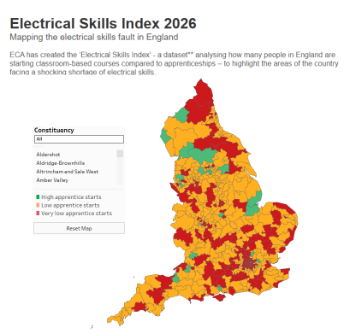
Electrical skills gap deepens as apprenticeship starts fall despite surging demand says ECA.
Built environment bodies deepen joint action on EDI

B.E.Inclusive initiative agree next phase of joint equity, diversity and inclusion (EDI) action plan.
Recognising culture as key to sustainable economic growth

Creative UK Provocation paper: Culture as Growth Infrastructure.
Futurebuild and UK Construction Week London Unite

Creating the UK’s Built Environment Super Event and over 25 other key partnerships.
Welsh and Scottish 2026 elections

Manifestos for the built environment for upcoming same May day elections.
Advancing BIM education with a competency framework

“We don’t need people who can just draw in 3D. We need people who can think in data.”
Guidance notes to prepare for April ERA changes

From the Electrical Contractors' Association Employee Relations team.

Significant changes to be seen from the new ERA in 2026 and 2027, starting on 6 April 2026.

First aid in the modern workplace with St John Ambulance.
Solar panels, pitched roofs and risk of fire spread

60% increase in solar panel fires prompts tests and installation warnings.
Modernising heat networks with Heat interface unit
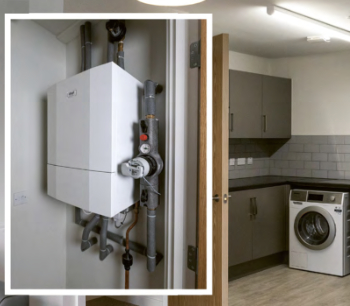
Why HIUs hold the key to efficiency upgrades.