





Recycling equipment
To help develop this article, click 'Edit this article' above.
There are many different types of recycling equipment. The type of equipment required will depend on the nature of recycling that needs to be carried out.
Individuals and businesses may take their recycling to local recycling centres, but if they carry out a lot of recycling, they may choose to invest in their own recycling equipment specially designed for paper, cardboard, plastic or metal recycling.
Metal recycling can be very lucrative and many people will collect scrap metal to process through metal recycling equipment which they will then sell on for a profit. Metal recycling equipment needs to offer exceptional performance, longevity and be great value for money for customers to be prepared to invest in their own equipment.
Metal recycling suppliers will typically stock machinery that is suitable for almost any metal recycling applications and some companies will sell both new and used recycling equipment.
The range of recycling machinery for metal products includes:
- metal shears.
- high-speed balers.
- combined metal shear and balers.
- light iron auto-balers.
- alligator shears.
- non-ferrous balers.
Some equipment suppliers specialise in very particular types of recycling equipment, such as types of expanded polystyrene (EPS) recycling equipment.
Recycling equipment is typically designed to be compact and easy to use, and for safety reasons many metal recycle machines will be operated via remote control. Mobile and portable shearers and balers are ideal for users who need to be able to move their metal recycle equipment around with for use in different locations.
[edit] Find out more
[edit] Related articles on Designing Buildings Wiki
Featured articles and news

A detailed description fron the experts at Cornish Lime.
IHBC planning for growth with corporate plan development
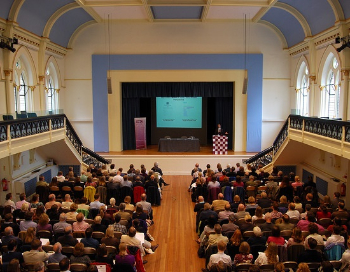
Grow with the Institute by volunteering and CP25 consultation.

Connecting ambition and action for designers and specifiers.
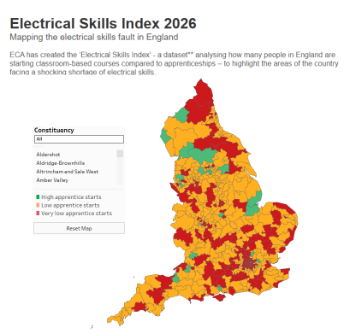
Electrical skills gap deepens as apprenticeship starts fall despite surging demand says ECA.
Built environment bodies deepen joint action on EDI

B.E.Inclusive initiative agree next phase of joint equity, diversity and inclusion (EDI) action plan.
Recognising culture as key to sustainable economic growth

Creative UK Provocation paper: Culture as Growth Infrastructure.
Futurebuild and UK Construction Week London Unite

Creating the UK’s Built Environment Super Event and over 25 other key partnerships.
Welsh and Scottish 2026 elections

Manifestos for the built environment for upcoming same May day elections.
Advancing BIM education with a competency framework
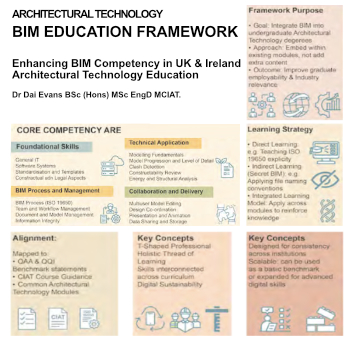
“We don’t need people who can just draw in 3D. We need people who can think in data.”
Guidance notes to prepare for April ERA changes

From the Electrical Contractors' Association Employee Relations team.

Significant changes to be seen from the new ERA in 2026 and 2027, starting on 6 April 2026.

First aid in the modern workplace with St John Ambulance.
Solar panels, pitched roofs and risk of fire spread
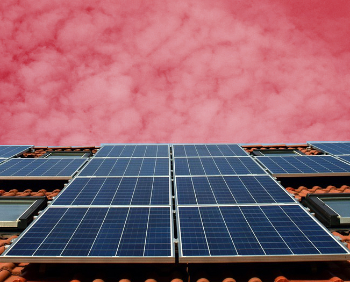
60% increase in solar panel fires prompts tests and installation warnings.
Modernising heat networks with Heat interface unit
Why HIUs hold the key to efficiency upgrades.
Comments