






Budget
Budget, in terms of design and construction projects often refers to the amount of money available to spend over a period of time, or on a specific thing, such as a building. The term budget or more commonly 'the budget' however can also refer to the same interpretation but relating to a governmental fiscal event and associated announcement, one of which is likely to impact the design and construction industry as a whole. In the UK there are usually at least two major set-piece fiscal events per year, a budget, spring statement and then also sometimes a spending review. These provide an update on the economic outlook and the decisions the government has made about how much and what to tax, how much to spend and on what.
For further information regarding specific construction projects see articles; budget for building design and construction projects, cash flow budget and difference between cost plan and budget. For further information about National budgets, such as spring budgets and reactions to these by the constrution industry visit the articles list below.
[edit] Related articles on Designing Buildings
- 2023 Autumn Statement in brief with reactions.
- 2023 Spring Budget summary and industry response.
- A second spring budget of 2023.
- Autumn Budget 2018.
- Cash flow budget
- Chancellor's 2022 Autumn statement industry response.
- CIOB responds to the 2024 Spring Budget announcement.
- Difference between cost plan and budget.
- ECA joins calls for unprecedented action on energy prices in Spring Budget.
- CIOB at the party conferences 2022.
- CIOB comments on the Chancellor's Autumn Budget.
- CIOB Ireland responds to Budget 2024.
- CIOB Ireland responds to Budget 2023.
- CIOB Ireland responds to Budget 2022.
- CIOB responds to the 2024 Spring Budget announcement.
- ECA responds to 2024 Spring Budget.
- Economic stability must be a priority for 2023 Spring Budget urges APM.
- Industry responds to the 2024 Spring Budget announcement.
- Scottish Government Budget 2018-19.
- Spring Budget 2017.
- The autumn statement: What is it and does it effect construction ?
- The general election and why a shortage of electrical apprentices matters.
Featured articles and news
Latest Build UK Building Safety Regime explainer published

Key elements in one short, now updated document.
UKGBC launch the UK Climate Resilience Roadmap

First guidance of its kind on direct climate impacts for the built environment and how it can adapt.
CLC Health, Safety and Wellbeing Strategy 2025

Launched by the Minister for Industry to look at fatalities on site, improving mental health and other issues.
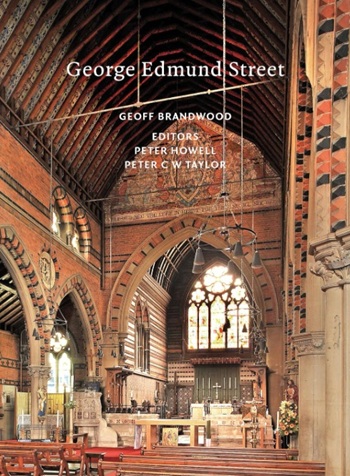
One of the most impressive Victorian architects. Book review.
Common Assessment Standard now with building safety

New CAS update now includes mandatory building safety questions.
RTPI leader to become new CIOB Chief Executive Officer

Dr Victoria Hills MRTPI, FICE to take over after Caroline Gumble’s departure.
Social and affordable housing, a long term plan for delivery
The “Delivering a Decade of Renewal for Social and Affordable Housing” strategy sets out future path.
A change to adoptive architecture
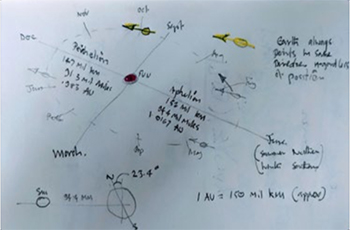
Effects of global weather warming on architectural detailing, material choice and human interaction.
The proposed publicly owned and backed subsidiary of Homes England, to facilitate new homes.

How big is the problem and what can we do to mitigate the effects?
Overheating guidance and tools for building designers

A number of cool guides to help with the heat.
The UK's Modern Industrial Strategy: A 10 year plan

Previous consultation criticism, current key elements and general support with some persisting reservations.
Building Safety Regulator reforms
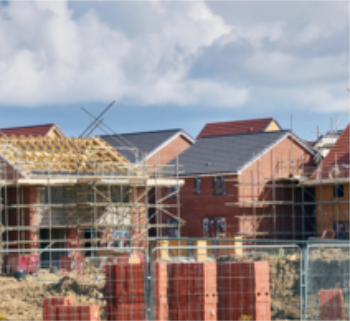
New roles, new staff and a new fast track service pave the way for a single construction regulator.
Architectural Technologist CPDs and Communications
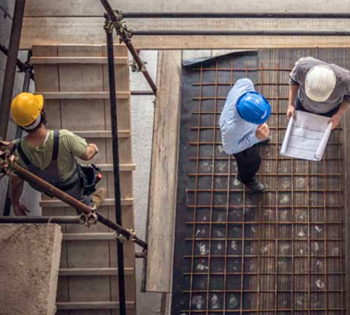
CIAT CPD… and how you can do it!
Cooling centres and cool spaces
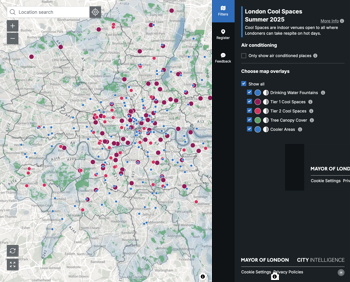
Managing extreme heat in cities by directing the public to places for heat stress relief and water sources.
Winter gardens: A brief history and warm variations
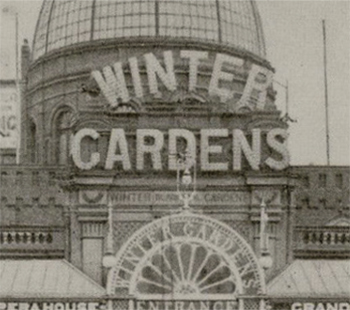
Extending the season with glass in different forms and terms.
Restoring Great Yarmouth's Winter Gardens
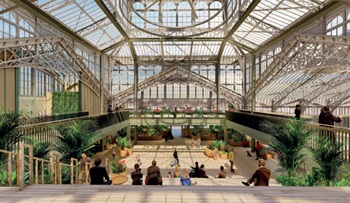
Transforming one of the least sustainable constructions imaginable.