







United Kingdom
Contents |
[edit] Introduction
The term ‘United Kingdom’ (UK) refers to the United Kingdom of Great Britain and Northern Ireland. It comprises the island of Great Britain, the north eastern part of the island of Ireland and a number of smaller islands. The UK is a sovereign state comprising four countries; England, Scotland, Wales and Northern Ireland. The capital city is London.

|
| Maximilian Dörrbecker/Wikipedia Creative Commons license |
Guernsey, Jersey and the Isle of Man are crown dependencies that are not par of the UK, however, the UK government manages their foreign affairs and defence and can legislate on their behalf.
In addition, there are fourteen British Overseas Territories.
The UK is the world's sixth-largest economy.
In 2011, it had a population of 63 million, with 53 million in England, 5.3 million in Scotland, 3 million in Wales and 1.8 million in Northern Ireland.
[edit] Central government
The UK has a parliamentary government based in London, but Scotland, Wales and Northern Ireland have devolved administrations that are based respectively in Edinburgh, Cardiff and Belfast.
The range of powers that have been devolved are variable and complex, but in very general terms, they include:
- Health and social care.
- Education and training.
- Local government and housing.
- Agriculture, forestry and fisheries.
- The environment and planning.
- Tourism, sport and heritage.
- Economic development and internal transport.
The powers that remain the responsibility of the UK Government include:
- The constitution.
- International relations and defence.
- National security.
- Nationality and immigration.
- Nuclear energy.
- Broadcasting.
- Taxation.
- Employment and social security (apart from Northern Ireland).
[edit] Local government
There are nine Government office regions in England, below which there are county councils, district councils and unitary authorities. There are then town or parish councils.
Scotland is divided into 32 council areas.
Wales is divided into 22 unitary authorities. Below these are community councils.
Northern Ireland is divided into 11 district councils.
See Local authority for more information.
[edit] Building Regulations
In England, the Ministry of Housing, Communities and Local Government (MHCLG) is responsible for the Building Regulations 2010 and The Building (Approved Inspectors etc.) Regulations 2010. The regulations apply to most new buildings and many alterations to existing buildings. Building Regulations approvals can be sought either from the building control department of the local authority or from an approved inspector.
In Scotland, Scottish Ministers are responsible for the Building Regulations (Building Standards) and associated guidance (ref .The Scottish Government: Building Standards). The 32 local authorities administer the Building Standards system and are responsible for granting permissions (Building Warrants) and Completion Certificates. See Scottish building standards for more information.
In Wales, Building Regulations that previously applied to England and Wales continue to apply, but from 1 January 2012, any revisions to the English regulations apply to England only. New regulations and guidance in Wales are the responsibility of the Welsh government. Approvals are granted by the local authorities. See Welsh building regulations for more information.
In Northern Ireland, the Building Regulations (Northern Ireland) 2012 are made by the Department of Finance and Personnel. They are administered by the District Councils. See Northern Ireland building regulations for more information.
[edit] Planning permission
In England, the Department for Communities and Local Government decides national planning policy and this is set out in the National Planning Policy Framework. A schedule of the legislation that underpins planning in England can be found on the Planning Portal website. Responsibility for granting planning permission lies with local planning authorities (usually the planning department of the district or borough council).
In Scotland, primary planning law is established by The Town and Country Planning Act (Scotland) 1997 Chapter 8 as amended by The Planning etc. (Scotland) Act 2006. Local authorities and the national park authorities are responsibility for delivering planning services. See Scottish planning policy for more information.
The Welsh government has the power to create its own primary legislation, and the Planning (Wales) Act 2015 came into force on 6 July 2015. The local planning authorities are responsible for determining planning applications in their area. On 1 October 2021 the staff and functions of Planning Inspectorate Wales transferred to the Welsh Government. See Welsh planning policy for more information.
In Northern Ireland, the primary planning legislation is The Planning (Northern Ireland) Order 1991, with overall control by the Department of the Environment Planning and Local Government Group. However, in 2015, the 11 district councils became responsible for local development plan functions, development control and enforcement. See Northern Ireland planning policy for more information.
[edit] Related articles on Designing Buildings
- Building Regulations.
- Construction industry statistics.
- Countries continents and regions.
- Crown estate.
- Countries continents and regions.
- Devolution.
- Europe.
- European Union.
- Forest ownership.
- Government departments responsibility for construction.
- Great Britain.
- Licensing.
- Local authority.
- Localism Act.
- London.
- National Planning Policy Framework.
- Northern Ireland building regulations.
- Northern Ireland closer to creating infrastructure advisory board.
- Northern Ireland planning policy.
- Planning permission.
- Planning (Wales) Bill.
- Public authority.
- Public procurement.
- Scottish building warrants.
- Scottish planning policy.
- Statutory authorities.
- Statutory permissions.
- Tallest buildings in the UK.
- UK construction industry.
- Welsh building regulations.
- Welsh planning policy.
Featured articles and news

For the World Autism Awareness Month of April.
70+ experts appointed to public sector fire safety framework
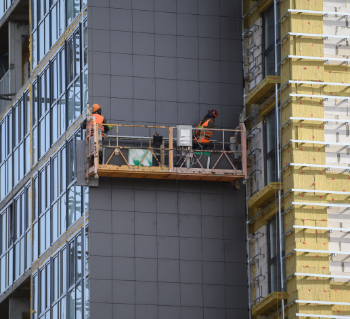
The Fire Safety (FS2) Framework from LHC Procurement.
Project and programme management codes of practice
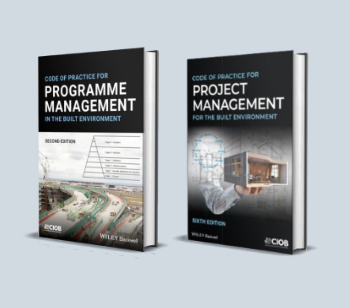
CIOB publications for built environment professionals.

Sustainable development concepts decade by decade.
The regenerative structural engineer
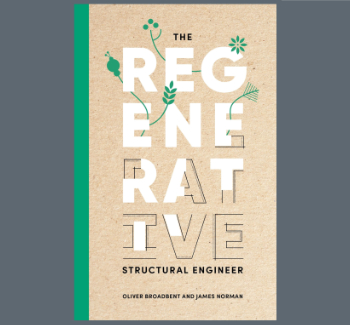
A call for design that will repair the natural world.

Buildings that mimic the restorative aspects found in nature.
CIAT publishes Principal Designer Competency Framework
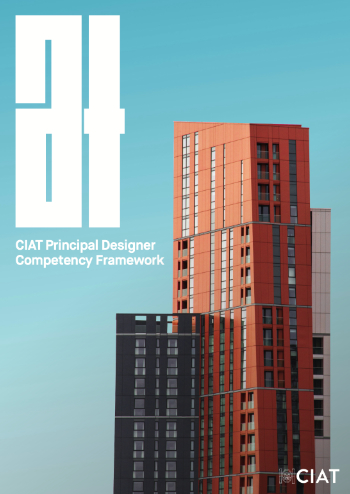
For those considering applying for registration as a PD.
BSRIA Building Reg's guidance: The second staircase
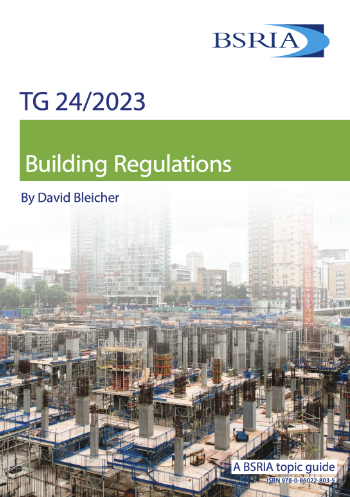
An overview focusing on aspects which most affect the building services industry.
Design codes and pattern books
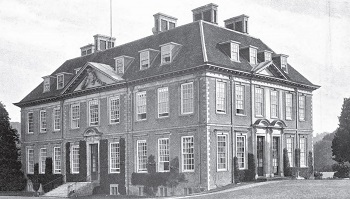
Harmonious proportions and golden sections.
Introducing or next Guest Editor Arun Baybars

Practising architect and design panel review member.
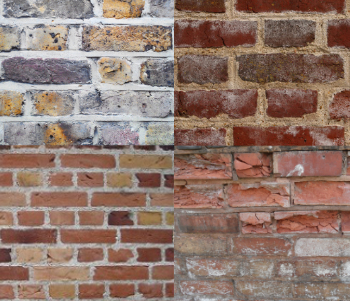
Quick summary by size, shape, test, material, use or bonding.
Types of rapidly renewable content

From forestry to agricultural crops and their by-products.
Terraced houses and the public realm
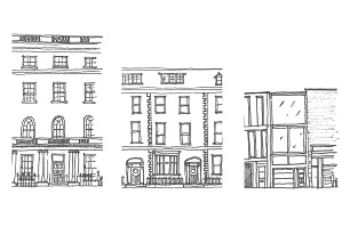
The discernible difference between the public realm of detached housing and of terraced housing.